

Bracelet Guide
Bracelet Types: Designs & Chart Guide
Bracelets hold a captivating history that spans millennia, showcasing their enduring allure. These versatile accessories have adorned wrists as fashionable adornments, and symbols of status. In times of adversity, they have even served as protective arm guards. Today, bracelets encompass a vast array of styles, ranging from understated bangles, to attention-grabbing cuffs, and intricately designed pieces adorned with charms, pearls, gemstones, and amulets. Each bracelet type carries its own distinctive character, representing various aesthetics, styles, subcultures, and traditions.
It's fascinating to note that during the Victorian era, a bride-to-be would receive two bracelets from her future spouse. She would wear one during her engagement and the other on their wedding day, symbolizing their journey from betrothal to matrimony.
Let's delve into the diverse world of bracelets, exploring their defining characteristics, materials, designs, and historical significance. This comprehensive guide will equip you with the knowledge to choose the perfect bracelet to match your individual taste and occasion.
From classic elegance to contemporary trends, bracelets offer endless possibilities for self-expression. Whether you seek to make a bold statement or add a touch of refined sophistication, there is a bracelet type that will perfectly complement your style.
Join us on a captivating exploration of bracelets, where we'll unveil the stories and traditions that have shaped these timeless accessories. Gain insight into the factors that make each style unique, and discover the artistry and craftsmanship that goes into creating these exquisite pieces.
Embrace the allure of bracelets as you navigate the vast options available, ensuring you find the perfect piece to reflect your personality and elevate your style. Let us be your trusted guide in this journey, providing you with the information and inspiration needed to make informed decisions and create lasting memories with your chosen bracelet.
Chain Bracelets
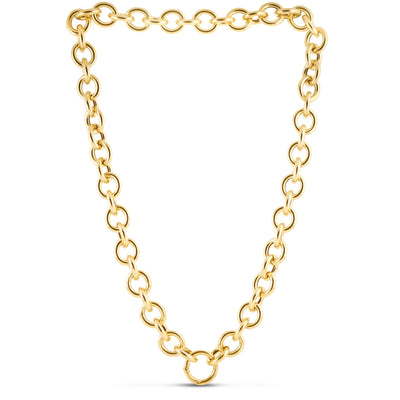
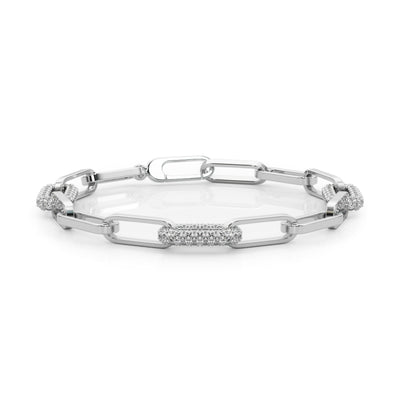
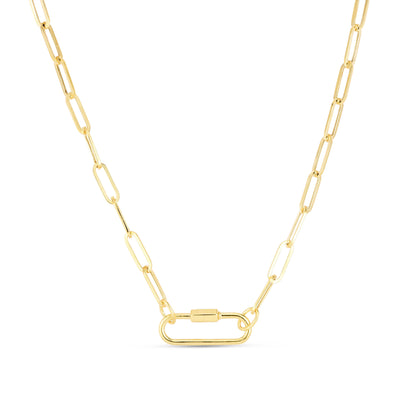
Chain bracelets are an embodiment of timeless elegance, characterized by their metallic links. These versatile accessories come in a variety of chain types, with classic cable chains taking the lead. These cable chains feature interlocked oval links that create a sleek, and refined aesthetic. Other popular chain styles include box chains, Byzantine chains, curb chains, wheat chains, and rope chains, each possessing its own distinctive charm.
When it comes to materials, chain bracelets predominantly utilize metals such as platinum, gold, silver, and stainless steel, which add a touch of sophistication and durability. However, alternative materials like plastic (resin, acrylic) or even wood can be incorporated for a unique and contemporary twist.
To ensure a secure fit, chain bracelets are equipped with closures. The lobster claw closure stands as the most prevalent type, providing both ease of use and reliability. This type of closure features a small spring-loaded lever that can be easily opened and closed, allowing for effortless wear and removal.
Embrace the allure of chain bracelets as they gracefully encircle your wrist, adding a touch of refined sophistication to any ensemble. With their wide range of chain styles, materials, and closure options, you'll find the perfect chain bracelet that suits your personal style and elevates your accessory game. Explore the exquisite craftsmanship and versatility of chain bracelets as you embark on a journey of self-expression and adornment.
Bangle Bracelets
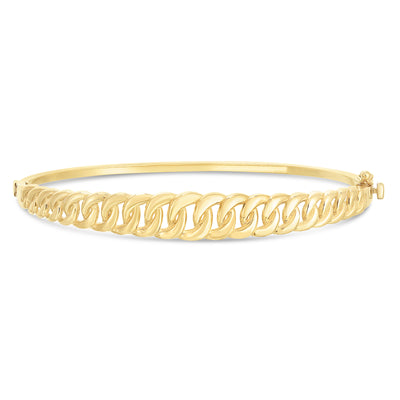
Bangles, a type of bracelet, are known for their rigid and non-flexible structure, often designed in a circular shape. Unlike most bracelets, bangles do not feature closures. There are two main types: classic bangles, which are closed, and open bangles that offer greater flexibility and can accommodate a wider range of sizes. Depending on personal style preferences, bangle bracelets can be worn in different ways - either as a single bold statement piece or layered together. They can be worn loosely on the wrist or positioned higher up on the arm.
Traditionally, bangles are primarily made from metals such as platinum, gold, silver, or other alloys. However, they can also be crafted from various other materials including plastic, glass, stone, or wood, offering a diverse range of choices to suit different tastes and occasions.
Interestingly, bangle bracelets have a rich historical significance. They have been discovered in ancient ruins of civilizations like the Mayan, Mauryan, Roman, and Indian cultures. These early bangles were often made from terracotta and stone, showcasing the enduring appeal of this jewelry style throughout history.
Open Bangle Bracelets
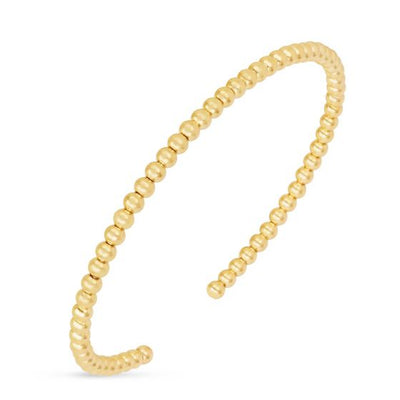
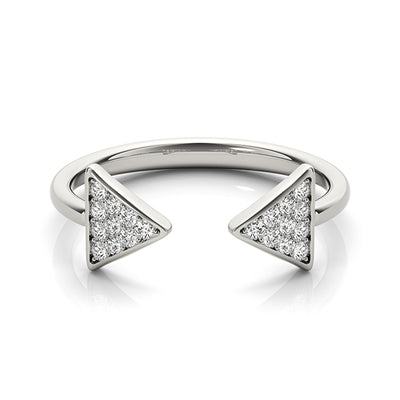
Open bangle bracelets, known for their circular shape with a small opening or an overlayed opening, offer a stylish and versatile accessory option. They are available in two main variations: sturdy and rigid designs made from a single metallic piece, or slightly flexible options such as beaded bracelets or sleek metal designs. Open bangles often feature decorative elements such as diamonds positioned at each end, bar elements suitable for engraving personalized messages, or interlocked designs for added visual interest.
The term 'bangle' originates from the Hindi word 'Bangari', which means glass. Glass bangles have a long history, dating back to 1500 B.C. However, the first bangles were actually made of clay, predating the use of glass.
When considering open bangle bracelets, it's important to consider factors such as the desired level of sturdiness or flexibility, as well as the preferred decorative elements. Sturdy and rigid designs provide a timeless and polished look, while slightly flexible options can offer comfort and adaptability to different wrist sizes.
Whether one is drawn to the elegance of diamonds accents, the personalization options of bar elements, or the visual appeal of interlocked designs, open bangle bracelets offer a fashionable and versatile choice for adding a touch of style to any outfit.
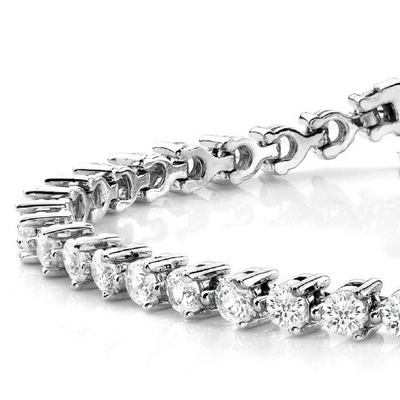
Tennis Bracelets
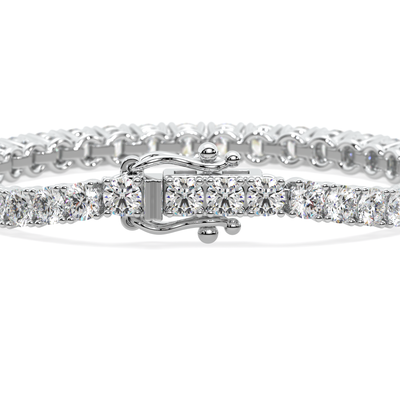
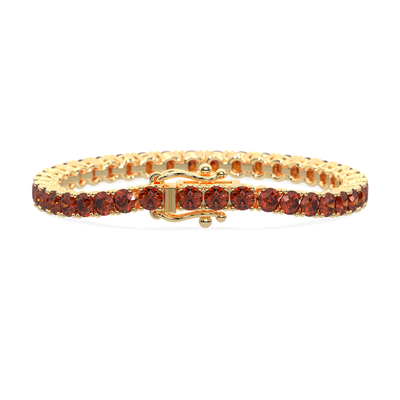
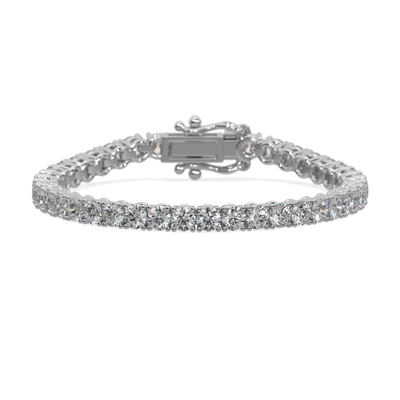
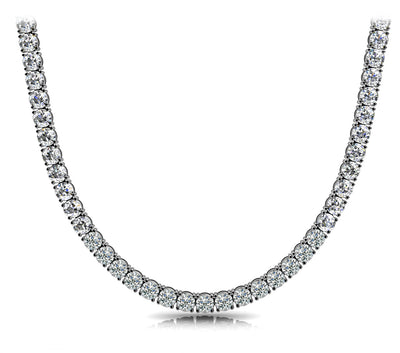
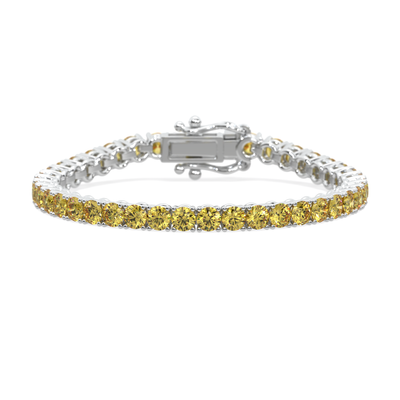
Tennis bracelets are renowned for their elegant and timeless design, typically featuring a continuous strand of diamonds. These bracelets boast a symmetrical layout, with connected diamonds secured on a metal fixture or chain. They can be found in both rigid and elasticated variations, offering options to suit individual preferences.
The gemstones in tennis bracelets are usually uniform in size and color, creating a cohesive and luxurious appearance. This design choice adds to the bracelet's allure and allows for a seamless flow of sparkle.
Similar to pearl bracelets, classic bangles, and chain bracelets, tennis bracelets hold a special place as a timeless piece of jewelry. Their versatility and universal appeal make them a popular choice for both formal and casual occasions.
Interestingly, the name "tennis bracelet" originated from an incident during the 1987 U.S. Open involving professional tennis player Chris Evert. She requested a pause in the game to search for her diamond bracelet that had fallen off her wrist. This incident garnered significant attention and led to the term "tennis bracelet" being widely used to describe this style of jewelry.
When considering a tennis bracelet, it's important to assess factors such as the choice of gemstones, the quality of craftsmanship, and the desired level of flexibility. Additionally, considering one's personal style and how the bracelet will complement existing jewelry pieces can enhance the overall appeal.
Whether adorned with diamonds or more affordable gems, tennis bracelets add an elegant touch to any ensemble, making them a cherished addition to one's jewelry collection.
Diamond Charm Bracelets
Charm bracelets are a beloved style of jewelry, typically featuring a chain bracelet adorned with various charms, pendants, and trinkets that serve both decorative and symbolic purposes. The charms can be chosen to reflect personal interests, memories, or significant moments in one's life. Common charm options include hearts, flowers, locks, letters, astrological signs, and astronomical bodies, providing a wide range of choices to suit individual preferences.
Similar to chain bracelets, charm bracelets are designed with sturdy closures to ensure secure wear. Options for closures include lobster locks, spring rings, toggles, and various types of hook closures, offering versatility in both style and functionality.
The history of jewelry charms dates back to prehistoric times. In ancient eras, trinkets were crafted from shells, bones, and natural clay, and over time, the use of gems, rocks, and wood was introduced in bracelet making. This rich history highlights the enduring appeal and evolution of charm bracelets as a form of personal adornment.
When considering a charm bracelet, it's important to select meaningful charms that resonate with your personal story, or reflect your interests. Assessing the durability of the bracelet, the quality of the charms and their attachment mechanisms, as well as the overall design and aesthetic, will help ensure a lasting and cherished piece of jewelry.
Whether as a thoughtful gift or a personal accessory, charm bracelets offer a unique and customizable way to express one's individuality and capture treasured memories.
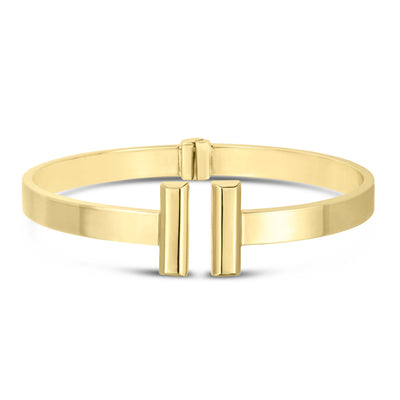
Diamond Cuff Bracelets
Cuff bracelets are a distinct type of bracelet, characterized by their wider and rigid construction. They are crafted from solid metals, such as platinum, gold, silver, or other alloys, but can also be made from sturdy plastic materials, stone, and wood, providing a range of options to suit different preferences. Cuff bracelets embrace the wrist or arm slightly, featuring an opening that can be fully rigid, or slightly flexible for adjustable wear. Due to their larger size and bold design, cuff bracelets are often considered statement jewelry pieces.
Interestingly, cuff bracelets have a rich historical significance that spans over 7,000 years. Ancient civilizations like the Egyptians, Greeks, and Romans viewed cuffs as more than just adornments. They wore them as symbols of status and as tokens of protection, recognizing their significance beyond mere aesthetics.
If you are considering a cuff bracelet, it is important to evaluate factors such as the desired width, material, and overall design. The width should complement your style and personal preference, while the choice of materials can influence the durability and aesthetic appeal of the cuff bracelet. Additionally, assessing the fit and comfort of the cuff, whether through a fully rigid or slightly flexible opening, is crucial for a satisfactory wearing experience.
Whether seeking a fashionable statement piece or a meaningful symbol, cuff bracelets offer a striking and enduring style that can elevate any ensemble.
Diamond Multi-Layered Bracelets
Multi-layered bracelets, as the name suggests, consist of two or more layers that create a stacked and stylish look. These layers can be composed of various materials such as strings of pearls or beads, leather bands, chains, or other metallic elements. Some multi-layered bracelets maintain a uniform design, where each layer is identical to the next, creating a cohesive and harmonious appearance. An example of this is the traditional pearl bracelet, often worn as wedding jewelry. On the other hand, mixed multi-layered bracelets offer a diverse range of designs, with each layer featuring a different style or material, providing versatility and a unique aesthetic.
When considering a multi-layered bracelet, it is important to assess factors such as the materials used, the overall design, and the desired level of versatility. The choice of materials, whether diamonds, pearls, beads, leather, or metal, can greatly influence the visual appeal and durability of the bracelet. Additionally, the design of the layers and their arrangement, can create a cohesive and fashionable statement, or a more eclectic and eclectic look, depending on personal style preferences.
Whether seeking a classic and elegant diamond bracelet or a mixed multi-layered bracelet that showcases personal style, these bracelets offer a fashionable and versatile way to adorn the wrist.
Bar Bracelets
Bar bracelets are a type of bracelet characterized by a metallic bar, incorporated into their design. This bar element can be attached to a flexible chain, creating a delicate and elegant look, or it can be positioned on a rigid open or closed bangle, for a more structured and contemporary style. The bar serves a decorative purpose and is often associated with the minimalist jewelry trend, known for its clean lines and simplicity.
One notable feature of bar bracelets is their suitability for customization. The bar element offers ample space for diamonds or engraving initials, meaningful symbols, or affirmations, allowing individuals to personalize these bracelets to their unique preferences. This aspect has made bar bracelets increasingly popular choices for customized gifts, offering a special and personalized touch for the recipient.
When considering a bar bracelet, it is important to assess factors such as the choice of metal, the length and style of the chain or bangle, and the desired diamonds or engraving options. The quality of the craftsmanship, including the secure attachment of the bar to the bracelet, should also be considered to ensure durability and longevity.
Whether as a stylish addition to one's own jewelry collection, or as a thoughtful gift, bar bracelets offer a versatile and customizable option that can be cherished for years to come.
Diamond Braided Bracelets
Braided bracelets are available in a variety of materials, including platinum, gold, silver, yarn, rope, leather, ribbon, and rubber. These bracelets are versatile and can be worn by individuals of all genders. They come in a wide range of designs, allowing for diverse style options. Some popular styles of braided bracelets include, smart-casual pieces that can be easily dressed up or down, colorful friendship bracelets that symbolize unity and connection, simple and discreet designs for a minimalist look, as well as bold and adorned options featuring diamonds and charms for added flair.
Did you know that the history of woven friendship bracelets, dates back over 200 years B.C. in China? Records indicate that these intricate bracelets were crafted with care, and served as symbols of friendship and meaningful connections.
When considering a braided bracelet, it is important to evaluate factors such as the desired material, design, and purpose. The material choice will affect the overall appearance, durability, and comfort of the bracelet. The design options allow individuals to express their personal style, whether they prefer a subtle and understated look, or a vibrant and eye-catching statement. It is also essential to consider the purpose of the bracelet, such as wearing it as a fashion accessory or as a meaningful symbol of friendship or unity.
Whether seeking a versatile smart-casual piece, a colorful friendship bracelet, or a bold and adorned style, braided bracelets offer a range of options to suit different tastes and preferences.
Wrap Bracelets
These are a type of bracelets primarily worn on the arm, and occasionally on the upper arm. These bracelets are designed to hug the arm regardless of size, offering a comfortable and adjustable fit. Some wrap bracelets feature two or more layers that go round and round in a concentric design, adding a captivating and dynamic element to the overall look.
Alternatively, there are wrap bracelets that incorporate diamonds. These bracelets consist of diamonds that are wrapped around the bracelet, creating a unique and stylish accessory. The cords wrap around the wrist multiple times, resulting in a layered and textured appearance.
When considering a wrap bracelet, it is important to assess factors such as the material, design, and desired level of versatility. Metallic wrap bracelets offer a sleek and contemporary look, while bead-wrapped bracelets add a touch of color and vibrancy. The choice of material and design will depend on personal style preferences and the desired overall aesthetic.
Whether seeking a metallic wrap bracelet for a chic and modern look or a bead-wrapped bracelet for a bohemian and eclectic style, wrap bracelets offer a fashionable and versatile option to adorn the arm.
Ankle Bracelets
Ankle bracelets, commonly known as 'anklets,' are jewelry pieces specifically designed to be worn on the ankle rather than the wrist or arm. They are typically made of chain or thread, and often feature diamonds, charms, beads, pearls, or other decorative elements. These elements can be fixed directly onto the anklet or dangle from it, creating a delicate and ornamental accessory. Anklets are usually smaller and daintier in size compared to bracelets, and they commonly feature standard closures such as lobster clasps for secure fastening.
A special type of anklet known as a 'pattilu' features a unique design where a toe ring is connected to the anklet by a thin chain. This style adds an additional element of adornment and can create an eye-catching and distinctive look.
Did you know that the history of anklets dates back at least 8,000 years? Artifacts from the Babylonian period, provide evidence that ancient Mesopotamian women wore ankle bracelets as part of their jewelry adornment.
When considering an anklet, it is important to assess factors such as the choice of material, the style and design of the anklet, and the desired level of comfort and fit. Ankle bracelets made from chain or thread, offer different aesthetics and levels of durability, while the selection of decorative elements such as diamonds, allows for personalization and customization.
By understanding the characteristics and historical significance of anklets, individuals can make informed decisions when selecting these accessories. Whether looking for a delicate and subtle chain anklet or a more ornate piece with charms and beads, anklets offer a versatile and fashionable way to accentuate the ankle and add a touch of elegance to any ensemble.
Types of Bracelet Closures
Bracelets come in various designs and not all of them require a closure mechanism. Bracelet types such as bangles, open bangles, cuffs and wrap bracelets are designed to fit a wide range of sizes, without the need for specific closures. These styles provide flexibility and ease of wear.
However, many other bracelet designs feature different types of closures and clasps to secure them on the wrist or arm. These closures ensure a secure and comfortable fit, while allowing for easy putting on and taking off of the bracelet. Here are some of the most popular types of bracelet closures:
Bolt Ring Closures
Bolt ring closures, also known as spring ring clasps, are one of the most commonly used closures in bracelets. They offer a secure and reliable way to fasten the bracelet around the wrist or arm. Here are some key features of bolt ring closures:
- Bolt ring closures are widely utilized and favored for their practicality and effectiveness in securing bracelets.
- The closure consists of a circular component that incorporates a simple spring mechanism. This circular component is often referred to as the spring ring clasp.
- To fasten the bracelet, the wearer pulls the small lever or tab on the bolt ring closure. This action opens a small gap or opening, allowing the opposite end of the bracelet to be inserted through.
- Bolt ring closures are valued for their ease of use and durability. The spring mechanism ensures that the closure remains securely fastened while providing convenience for putting on and taking off the bracelet.
- Whether opting for a classic and reliable closure, or exploring other closure options, bolt ring closures offer a trusted and widely used method for securing bracelets in a practical and secure manner.
Lobster Clasps
Lobster clasps are widely recognized as the most popular type of closure used in jewelry. They offer a secure and reliable fastening mechanism. Here are some key features of lobster clasps:
- Lobster clasps have gained popularity due to their practicality, and widespread use in various types of jewelry, including bracelets.
- The closure consists of two parts: a lobster claw-shaped component, and a jumping ring. The lobster claw-shaped part is the main mechanism responsible for securing the closure.
- The lobster claw-shaped part features a small lever or tab, often located on the side of the claw. This lever can be easily pulled to open the claw and create an opening.
- Releasing the lever automatically shuts the closure, ensuring a secure and tight connection between the two ends of the bracelet.
- Lobster clasps are valued for their user-friendly design and reliable functionality. The lever mechanism allows for easy manipulation, making it convenient to put on and remove the bracelet, while providing a strong and secure closure when in use.
- When selecting a bracelet with a lobster clasp, it is important to consider the size and strength of the clasp, to ensure a proper fit and secure wear. Additionally, examining the quality and craftsmanship of the lobster clasp is crucial for durability and longevity.
- Whether opting for a classic lobster clasp or exploring other closure options, lobster clasps offer a popular and reliable method for fastening bracelets securely and conveniently.
Magnetic Clasps
Magnetic clasps are a type of closure, where the two ends of the jewelry contain one-half of the clasp each. These clasps utilize magnets as the fastening mechanism. Here are some key features of magnetic clasps:
- Magnetic clasps are designed so that each end of the jewelry piece holds one-half of the clasp. This allows for a seamless and discreet closure without the need for visible hooks or mechanisms.
- The magnetic clasps feature magnets on each side of the closure. These magnets create a magnetic force that attracts the two ends of the clasp towards each other.
- When the two magnetic parts of the closure are brought close together, they snap shut securely, creating a reliable and strong connection.
- Magnetic clasps are valued for their convenience and ease of use. The magnetic closure allows for quick and hassle-free putting on and taking off of the jewelry, making it particularly suitable for individuals with limited dexterity.
- When selecting a bracelet with a magnetic clasp, it is important to ensure that the magnets are strong enough to provide a secure closure. Additionally, considering the overall quality and craftsmanship of the magnetic clasp is crucial to ensure its longevity and functionality.
- It's worth noting that while magnetic clasps offer convenience, they may not be suitable for individuals with certain medical conditions or electronic devices, as magnets can interfere with pacemakers or other devices.
- Whether opting for a convenient and discreet closure or exploring other closure options, magnetic clasps offer a practical and reliable method for fastening bracelets securely and effortlessly.
Cylinder Closures
Cylinder closures are commonly used in the creation of multi-strand necklaces and bracelets. They offer a secure and visually appealing fastening mechanism. Here are some key features of cylinder closures:
- Cylinder closures are specifically designed, to be used with multi-strand necklaces and bracelets. They provide a practical, and reliable way to secure multiple strands together.
- The closure consists of two cylindrical components, where one cylinder slides over the other. The two cylinders work together to hold the strands securely in place.
- The sliding action of the cylinders allows for easy putting on and taking off of the jewelry piece, while ensuring a strong and secure closure when in use.
- Cylinder closures are valued for their sleek and streamlined appearance. They provide a clean and uninterrupted look to the jewelry piece, while offering functionality and ease of wear.
- When selecting a bracelet or necklace with a cylinder closure, it is important to ensure that the cylinders fit together smoothly and securely. The size and alignment of the cylinders should be considered, to ensure a proper fit and a secure hold for the multiple strands.
- Whether opting for a sophisticated and modern look or exploring other closure options, cylinder closures offer a practical and visually appealing method for securing multi-strand jewelry pieces with ease.
Box Clasps
Box clasps are a type of closure commonly used in jewelry. They consist of two parts: a tongue and a box. Here are some key features of box clasps:
- Box clasps are composed of two distinct components: a tongue and a box. The tongue is a flat piece that is designed to fit inside the box.
- The tongue of the box clasp is inserted into the box, and it locks into place to secure the closure. The design allows for a reliable and secure connection between the two ends of the jewelry piece.
- Opening the box clasp involves pressing down on a lever or mechanism, which compresses the tongue and allows it to slide out of the box. Releasing the pressure on the lever locks the tongue back into the box, ensuring a secure closure.
- Box clasps are known for their sturdy and reliable nature. They offer a secure and confident fastening mechanism, making them a popular choice for bracelets and necklaces.
- When selecting jewelry with a box clasp, it is important to ensure that the components fit together smoothly and securely. The mechanism should be easy to operate while providing a strong and secure closure when in use.
- Whether opting for a classic box clasp or exploring other closure options, box clasps offer a reliable and secure method for fastening bracelets and necklaces, ensuring both style and peace of mind.
Screw Closures
Screw closures, also known as barrel clasps, are a type of closure commonly used in jewelry. They offer a secure and reliable fastening mechanism. Here are some key features of screw closures:
- Screw closures, also referred to as barrel clasps, are designed with a two-part screwing mechanism for secure closure. They consist of two components: a threaded barrel and a matching screw.
- Securing a screw closure requires the use of both hands. The threaded barrel is held in place while the screw is rotated into it, creating a tight and secure closure.
- Screw closures are more commonly used for necklaces than bracelets, due to the two-handed operation required for fastening and unfastening. This mechanism ensures that the closure remains secure during wear.
- Screw closures are valued for their reliable and robust nature. The screwing mechanism provides a strong and durable closure, offering peace of mind for the wearer.
- When selecting jewelry with a screw closure, it is important to ensure that the threads on both the barrel and the screw match up properly. This ensures a secure and snug closure. Additionally, considering the overall quality and craftsmanship of the screw closure is important for long-lasting functionality.
- Whether opting for a necklace or exploring other closure options, screw closures offer a reliable and secure method for fastening jewelry pieces, ensuring both style and peace of mind.
Hook Closures
Hook closures are a type of closure commonly used in jewelry. They offer a simple yet effective fastening mechanism. Here are some key features of hook closures:
- Hook closures are known for their simple design and construction. They consist of a metal piece that resembles a hook, hence their name.
- The metal hook is designed to attach to a ring or loop at the other end of the bracelet, creating a secure closure. The hook slides into the ring and holds the bracelet in place.
- Hook closures provide a reliable and straightforward method for fastening and unfastening the bracelet. They offer convenience and ease of wear.
- Hook closures are valued for their simplicity and ease of use. The straightforward design allows for quick and hassle-free putting on and taking off of the bracelet, making it a popular choice for many jewelry pieces.
- When selecting a bracelet with a hook closure, it is important to ensure that the hook is properly aligned with the ring or loop to ensure a secure connection. Additionally, considering the overall quality and craftsmanship of the hook closure is important for durability and longevity.
- Whether opting for a classic hook closure or exploring other closure options, hook closures offer a simple and effective method for fastening bracelets securely and effortlessly.
Fold Over Clasps
Fold over clasps, often found in vintage jewelry pieces, are a type of closure used for both necklaces and bracelets. They offer a secure and convenient fastening mechanism. Here are some key features of fold over clasps:
- Fold over clasps are highly abundant in vintage jewelry pieces, and are known for their classic charm and timeless appeal.
- This type of clasp consists of two parts: a foldable metal piece, and a spring-ring at the other end of the bracelet or necklace.
- To fasten the jewelry piece, the fold over clasp is opened, creating an opening. The spring-ring is then secured inside the fold over clasp when it is folded back, creating a secure closure.
- Fold over clasps provide a reliable, and secure way to fasten necklaces and bracelets. They are valued for their durability and ease of use, making them a popular choice in both vintage and contemporary jewelry designs.
- When selecting jewelry with a fold over clasp, it is important to ensure that the clasp folds over smoothly and securely. The spring-ring should fit snugly inside the fold over clasp to ensure a proper closure.
- Whether opting for a vintage-inspired piece or exploring other closure options, fold over clasps offer a reliable and secure method for fastening necklaces and bracelets with elegance and ease.
Toggle Closures
Toggle closures are a type of closure commonly used in jewelry. They offer a distinctive and stylish fastening mechanism. Here are some key features of toggle closures:
- Toggle closures consist of two components: a long and thin metallic bar, and a metallic circle or loop. The bar is typically straight and elongated, while the circle is set at the other end of the bracelet.
- To secure the closure, the straight bar of the toggle closure is inserted horizontally into the circular loop or ring. The bar goes across, locking the bracelet or necklace in place.
- Toggle closures provide a secure, and visually appealing way to fasten the jewelry piece. The toggle design adds an elegant and unique touch to the overall aesthetic.
- Toggle closures are valued for their durability and ease of use. They offer a reliable and sturdy closure while making a statement with their distinctive design.
- When selecting jewelry with a toggle closure, it is important to ensure that the bar fits securely into the circular loop or ring. The length and thickness of the bar should be appropriate for the size and weight of the bracelet or necklace.
- Whether opting for a classic toggle closure or exploring other closure options, toggle closures offer a stylish and secure method for fastening bracelets and necklaces, adding a touch of elegance and uniqueness to any ensemble.
Bracelet Sizes
These charts provide a basic guide to finding the right size for bracelets & bangles.
Bracelet and Bangle Sizes
The bracelet and bangle size recommended for comfort fit is adding an extra 2 cm / 0.79" to your wrist circumference measurement.
Measuring your wrist
Measuring your wrist is an essential step to ensure a proper fit when selecting a bracelet. Here's a simple guide to measuring your wrist:
- Use a tape measure if available. If you don't have a tape measure, you can use a strip of paper, ribbon, or cord as an alternative. Wrap it around your wrist where you would normally wear the bracelet. Make sure it is snug but not too tight.
- If you are using a strip of paper, ribbon, or cord, mark the end of the strip with a pen or pencil. Then, measure the length of the strip against a ruler to determine your wrist size.
- Once you have obtained your wrist size, refer to the chart below for your wrist size range and the recommended bracelet size based on a comfort fit. It is generally recommended to have enough space to fit two fingers comfortably between the bracelet and your wrist for a comfortable fit. However, personal preferences may vary. Some individuals may prefer a snug fit, while others may prefer a looser fit. Depending on your preference, you may need to adjust the bracelet size accordingly.
It is important to consider your comfort and preference, when selecting the size of a bracelet. Keep in mind that different bracelet styles and designs may fit differently, so it's always a good idea to try on the bracelet, or refer to specific size guidelines provided by the retailer or manufacturer.
By following these simple steps and considering your personal preference, you can ensure a well-fitted bracelet that suits your style and comfort.
Bracelet Circumference in inches

Bracelet Circumference in Centimeters
