

Diamond Carat
What Does Diamond Carat Mean?
The term "carat" is frequently misunderstood as it relates to diamonds. It is important to clarify that carat refers to the weight of a diamond, rather than its size. Moreover, it is a common misconception that a larger carat weight automatically indicates a superior diamond. While a sizable diamond can indeed serve as a status symbol (particularly in Hollywood), it is crucial to note that carat weight does not directly correlate with a diamond's sparkle. The captivating sparkle of a diamond is primarily influenced by its cut quality.
In reality, a diamond with a higher carat weight but a poorly executed cut, may actually appear smaller than a diamond with a smaller carat weight but an excellent cut. The cut of a diamond plays a significant role in how light interacts with the stone, resulting in its brilliance, fire, and overall visual appeal. A well-crafted cut allows light to reflect and refract optimally, enhancing the diamond's radiance and perceived size.
When considering the purchase of a diamond, it is essential to remember that carat weight alone does not determine the stone's beauty or desirability. While it can be tempting to focus solely on carat size, it is advisable to consider the diamond's overall quality, including its cut, color, and clarity, to ensure an exquisite and visually pleasing gem.
Understanding Diamond Carat and Price
The price of a diamond is influenced by various factors, including its carat weight. When it comes to carat weight and price, there is a relationship that depends on the rarity, or availability of larger rough crystals. Diamonds with higher carat weights are cut from these larger rough crystals, which are generally more challenging to source than smaller crystals.
Additionally, the price per carat of a diamond is also influenced by the quality characteristics found within the rough crystal. This includes factors such as desirable color, as well as internal and external characteristics that can positively impact the diamond's clarity once it is cut and polished.
Carat weight alone does not determine the value or desirability of a diamond. Other quality factors, such as cut, color, and clarity, play crucial roles in determining the overall worth and beauty of the stone.
FIND YOUR DIAMOND
The Historical Background of Diamond Carat Measurement
The term "carat" has a fascinating origin that dates back to ancient times. It stems from the practice of weighing precious metals and gemstones against the seeds of the carob tree, which were believed to possess consistent weight. This method served as a reliable reference point for measuring the weight of valuable materials.
However, it wasn't until the Fourth General Conference on Weights and Measures in 1907, that a standardized measurement for diamond carats was established. During this conference, it was unanimously agreed upon that one diamond carat would be equivalent to 200 milligrams or 0.2 grams of a diamond. This uniform measurement provided a consistent basis for determining the weight of diamonds across the industry.
In addition to the standard carat measurement, diamonds can also be expressed in points. Each point represents a hundredth of a carat, making it a useful unit for measuring smaller diamond weights. For example, 50 points equate to 0.5 carat, 100 points correspond to 1 carat, and 500 points signify 5.0 carats.
The points system allows for precise measurements, particularly when dealing with diamonds of smaller sizes. It offers a convenient way to communicate diamond weights in a more detailed manner.
By employing the carat and points systems, the diamond industry has established a universally recognized and standardized method for quantifying the weight of diamonds, ensuring accuracy and consistency in the evaluation and trade of these precious gems.
The Influence of Carat on Diamond Price
In popular culture, movies, mass media, and advertising have played a significant role in highlighting the importance of carat weight, when it comes to diamond quality. Carat weight has been associated with status and wealth, leading many to believe that a larger diamond is inherently better. However, it is important to note that bigger does not always translate to superior quality in diamonds.
When considering the value and desirability of a diamond, it is crucial to focus on a balanced assessment of the 4Cs: cut, clarity, color, and carat. While carat weight plays a role in determining a diamond's price, it should not be the sole determining factor in your decision-making process.
By considering the interplay between the 4Cs and striving for a balanced approach, you can make a more informed and intelligent diamond purchase. Rather than fixating solely on carat weight, take into consideration the overall quality and characteristics of the diamond to ensure that you acquire a stone that meets your preferences and budget, ultimately offering the best value for your investment.
Affordability of Fancy-Shaped Diamonds
Fancy-shaped diamonds, such as pear, princess, emerald, or marquise cuts, tend to be more budget-friendly, compared to round diamonds of equivalent carat weight. This is an essential aspect to consider when exploring diamond options.
One significant advantage of fancy-shaped diamonds is their perceived size. Due to their elongated or distinct shapes, fancy-shaped diamonds often appear larger than their actual carat weight suggests. This optical illusion can create the impression of a more substantial diamond, providing excellent value for those seeking a visually impressive stone without necessarily opting for a higher carat weight.
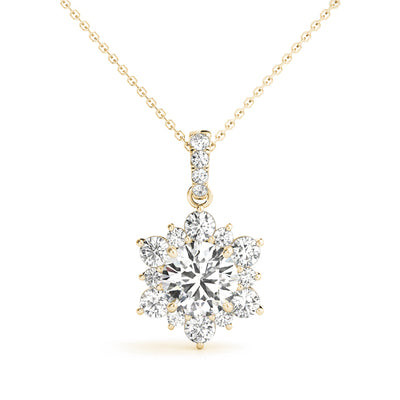
Furthermore, when fancy-shaped diamonds are set in a halo setting—a design that surrounds the center stone with smaller diamonds or gemstones—they can enhance the overall appearance and make the diamond appear even larger. This clever use of design can maximize the visual impact of the diamond, without the need for an increase in carat weight.
Considering both the relative affordability, and the perceived size advantage of fancy-shaped diamonds, they present an appealing option for individuals looking to make a cost-effective choice while still achieving a captivating and substantial look. However, it is essential to remember that the overall quality, including the cut, color, and clarity, should be taken into consideration alongside carat weight, when making a well-informed diamond purchase decision.
Consideration of Ring Size
A size of the finger can influence how the diamond appears in terms of perceived size.
The smaller the finger, the larger the diamond will appear. For example, a 1.50 carat diamond solitaire ring will appear more prominent on a size 6 finger, compared to a size 8 finger. This optical effect is due to the relative proportion between the diamond and the finger size.
When choosing a diamond, consider the finger size of the person who will be wearing the ring. By selecting a diamond that is proportionate to the finger size, you can create a visually balanced and aesthetically pleasing look. Personal preferences and style also play a role in the choice of diamond size, and ultimately, it is important to find a size that the wearer feels comfortable and confident wearing.
Taking into account the finger size when selecting a diamond ensures that the ring not only fits well, but also delivers the desired visual impact and overall harmony in terms of size and proportion.
Diamond Carat Size Chart
The following diamond carat size chart, provides a general illustration of how diamonds of various carat weights and shapes may appear, when viewed from the top down. However, it is crucial to remember that individual diamonds may vary, in their specific measurements, such as length/width ratio, table size, and depth.
The chart serves as a visual reference to help you understand the approximate size of diamonds, in relation to their carat weight and shape. Actual diamond measurements can vary, based on individual cut proportions, which affect the overall appearance and dimensions of the stone.

Additional Tips Regarding Carat Weight and Diamond Selection
Before purchasing a diamond, here are a few additional tips to consider regarding carat weight and maximizing the perceived size of the stone:
Explore Different Settings: Certain settings, such as the halo setting, can create an illusion of a larger diamond. The halo setting features a ring of smaller diamonds encircling the center stone. The ratio between the small and large diamonds can play with the perspective, making the center diamond appear larger than it actually is. This setting is a popular choice for those seeking to maximize the visual impact of their diamond.
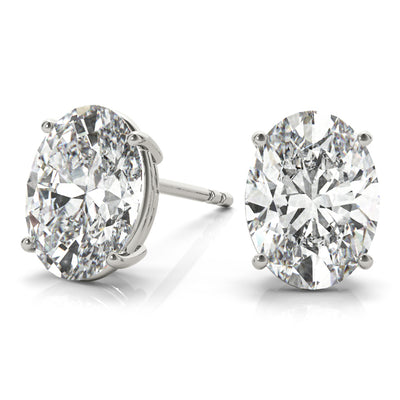
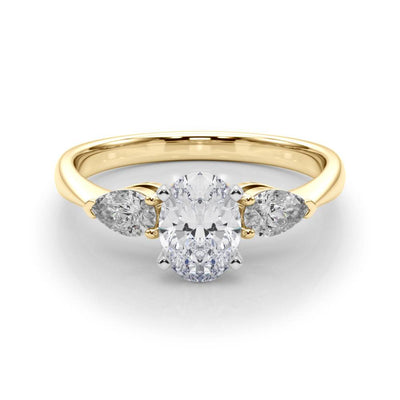
Consider Diamond Shape: Different diamond shapes can also impact the perceived size. For example, elongated shapes like oval, marquise, or pear can create an impression of a larger stone due to their elongated appearance. These shapes tend to cover more surface area on the finger, giving the illusion of a larger diamond.
Balance the 4Cs: While maximizing the perceived size is important, it is equally crucial to maintain a balance among the 4Cs (cut, clarity, color, and carat weight). Focus on finding the right combination that suits your preferences and budget. A well-cut diamond, regardless of its carat weight, can have superior sparkle and visual appeal, making it an excellent choice.
Personal Preference Matters: Ultimately, the choice of diamond size should align with your personal style and preferences. Consider what makes you feel confident and comfortable when wearing the diamond. It's essential to strike a balance between the desired size and the other quality factors to ensure a diamond that truly speaks to you.
By considering these additional tips, you can make a more informed decision when it comes to carat weight and selecting a diamond that not only appears larger but also meets your aesthetic and budgetary requirements.
Impact of Band Size on Diamond Carat Appearance
It is important to note that the size of the band can influence the perceived size of the center diamond. Here are some key points to consider:
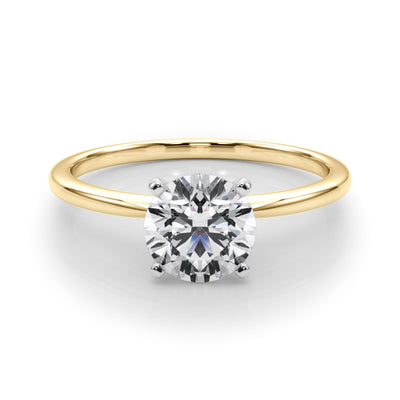
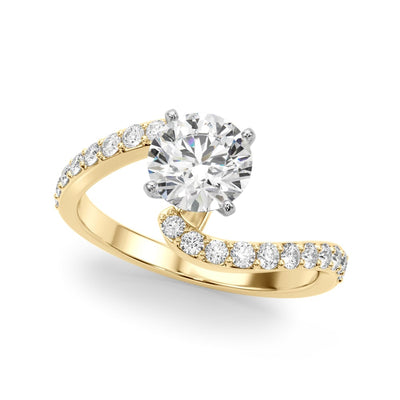
Thin Band Effect: Opting for a thin band can create a visual perspective that enhances the appearance of the center stone, making it appear larger than it actually is. The slender band draws attention to the diamond, emphasizing its size and creating a more substantial visual impact.
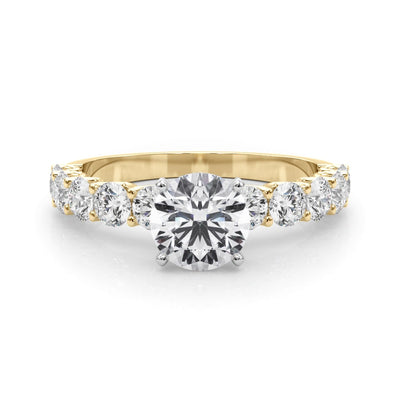
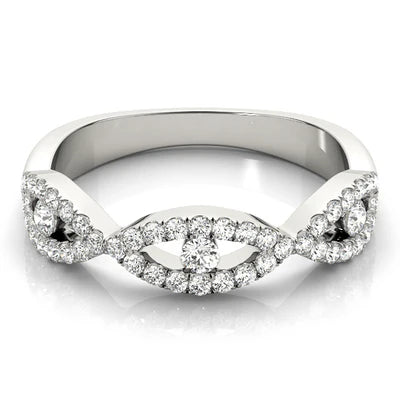
Pavé Setting: The pavé setting is a popular choice, for achieving the desired effect of making the center diamond appear larger. In this setting, small diamonds are intricately set into the band, creating a surface that sparkles and adds brilliance to the overall ring design. The presence of these additional diamonds further enhances the visual impact, and perception of size for the center diamond.
Proportions and Balance: While a thin band can create the illusion of a larger diamond, it is crucial to consider the overall proportion and balance of the ring design. The band should complement the size of the center stone, ensuring a harmonious and aesthetically pleasing look. Finding the right balance between the band size and the diamond's carat weight, is essential for achieving an overall balanced and visually appealing ring.
Remember, while the band size can influence the perception of the diamond's size, it is important to consider other factors such as cut, clarity, and color to ensure a well-rounded and beautiful diamond ring.
Understanding Carat Total Weight (CTTW)
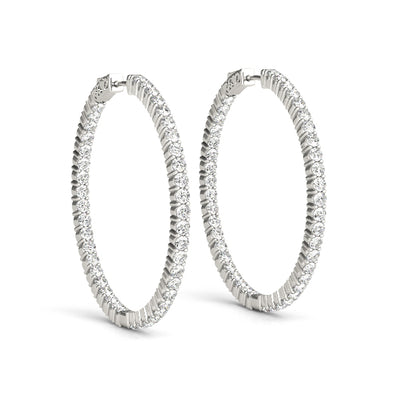
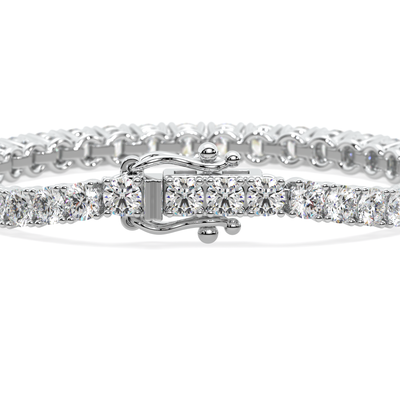
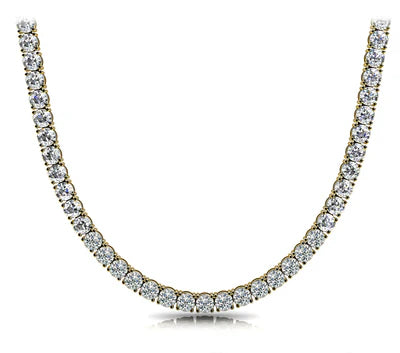
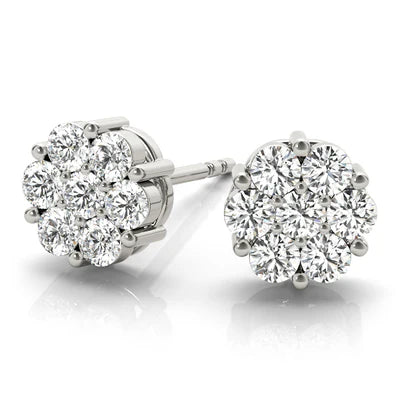
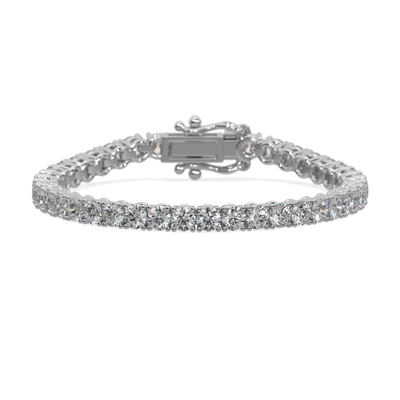
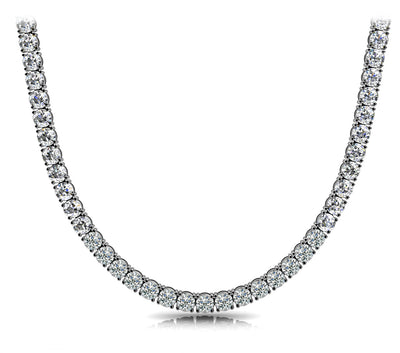
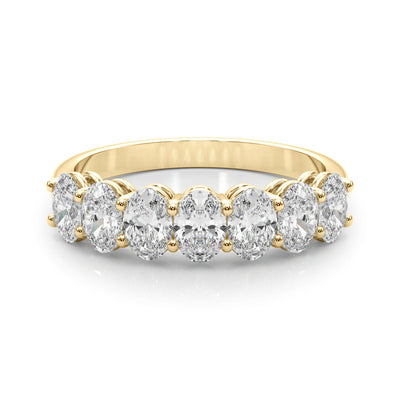
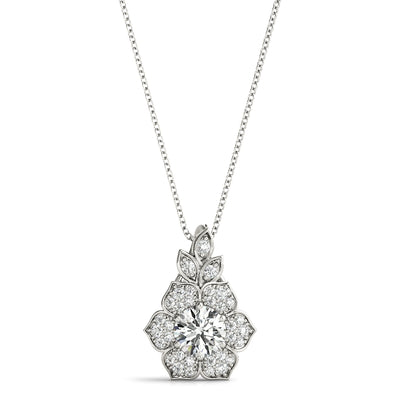
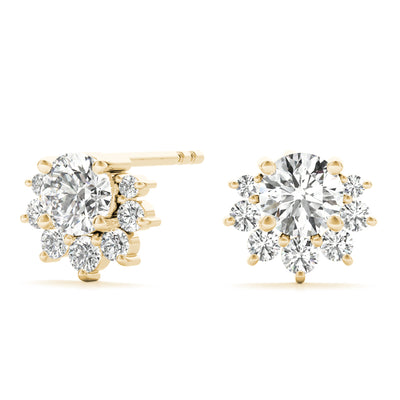
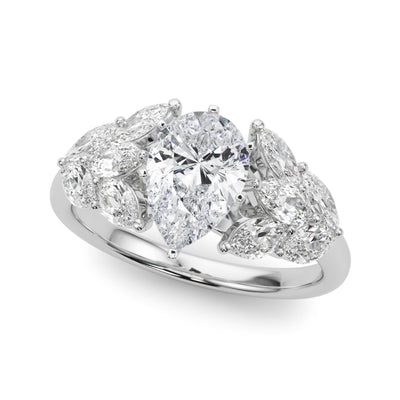
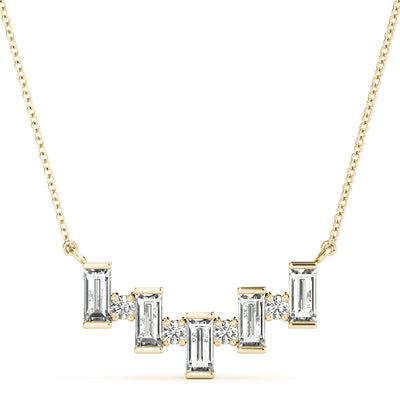
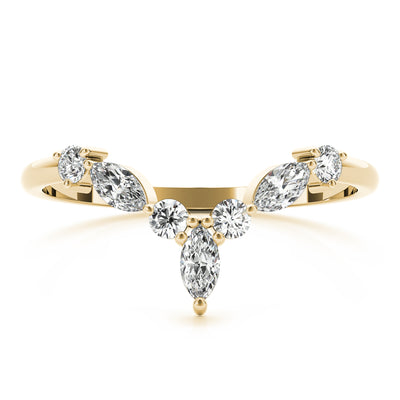
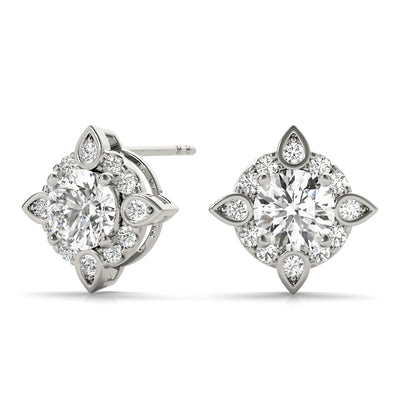
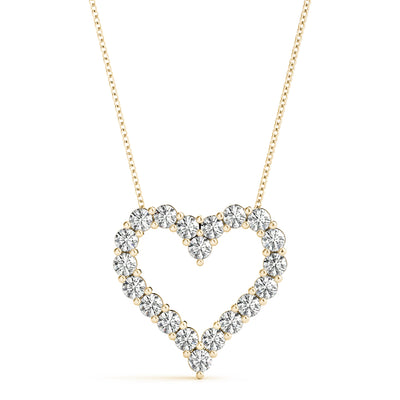
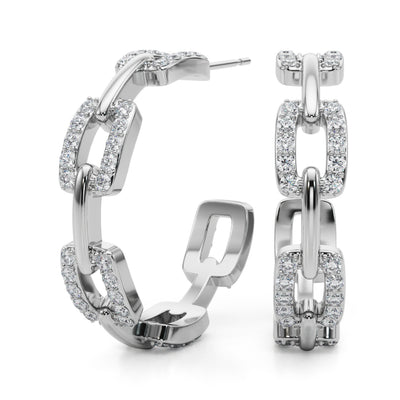
Carat Total Weight (CTTW) refers to the combined measurement of all the diamonds present in a specific piece of jewelry. It is essential to be aware of the CTTW when considering a jewelry purchase, as it provides an overall understanding of the diamond content in the piece.
When evaluating jewelry, it is advisable to inquire about the individual weights of each diamond. By obtaining this information, you can better understand the distribution, and contribution of each diamond to the total carat weight. This knowledge allows you to make a more informed decision about the value and desired appearance of the piece.
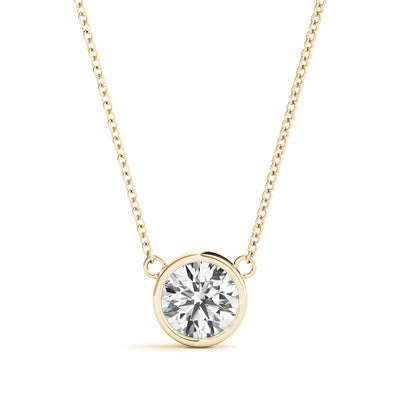
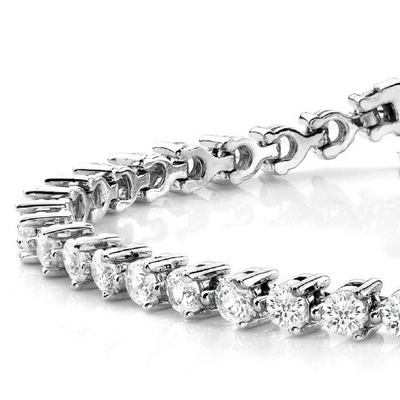
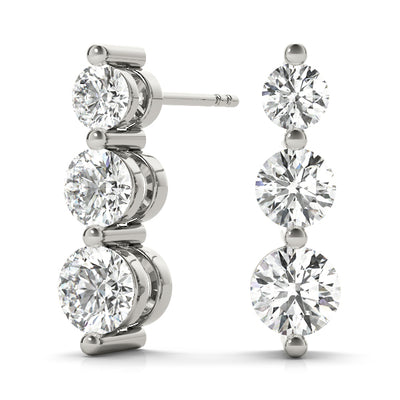
Inquiring about the weights of the individual diamonds, is particularly important when purchasing pieces with multiple stones, such as diamond earrings, bracelets, or necklaces. It ensures transparency and clarity regarding the specific carat weights, and distribution of the diamonds, enabling you to evaluate the overall quality and value of the jewelry accurately.
By understanding the concept of Carat Total Weight and seeking information about the individual diamond weights in a piece, you can make a well-informed jewelry purchase decision, ensuring that the piece meets your expectations and preferences.