





How Are Lab Grown Diamonds Made?
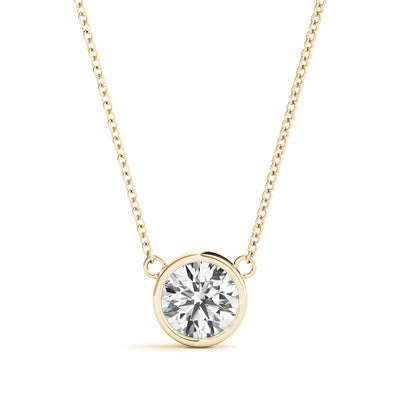
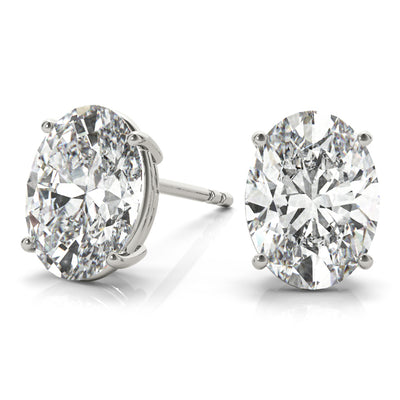
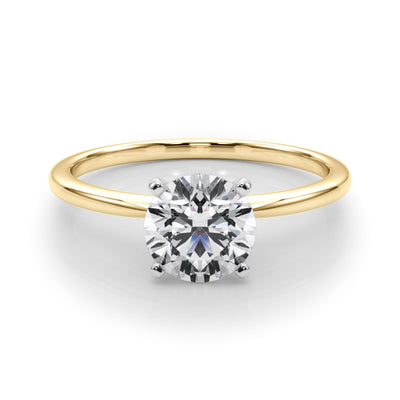
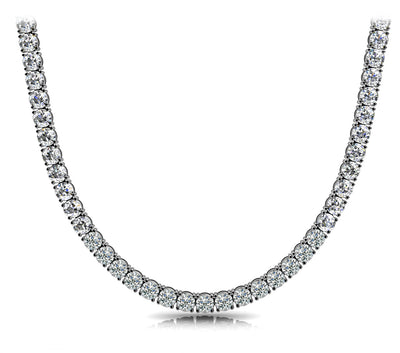
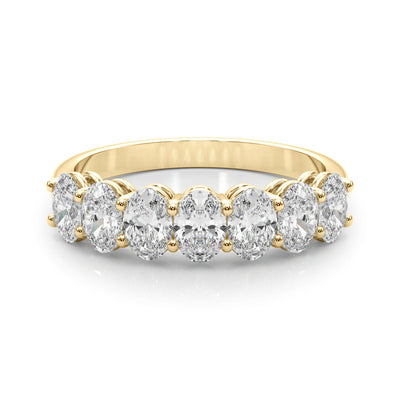
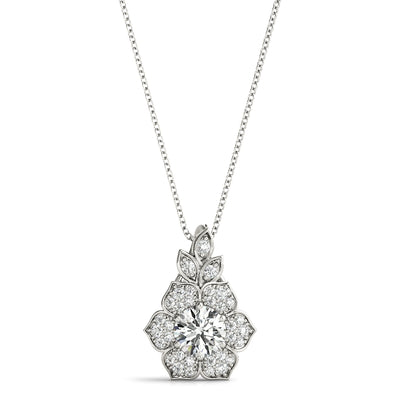
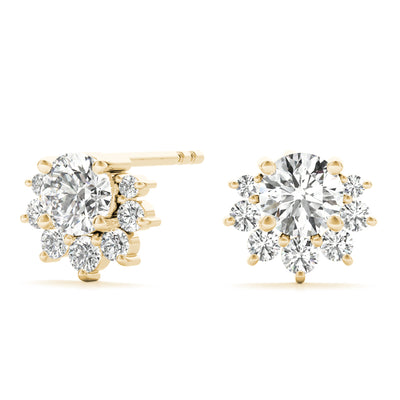
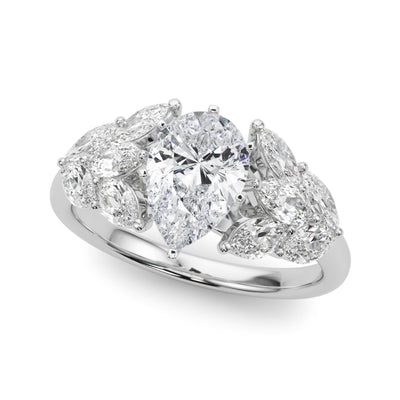
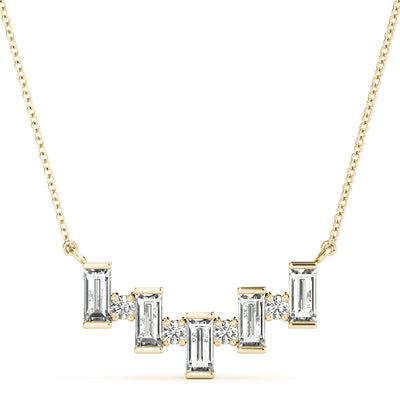
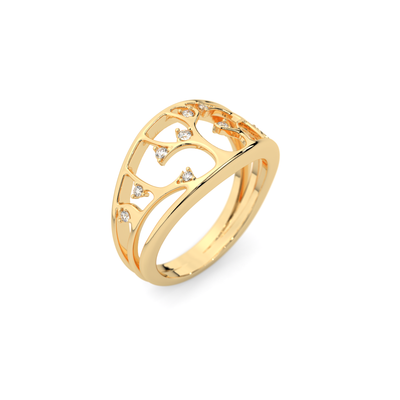
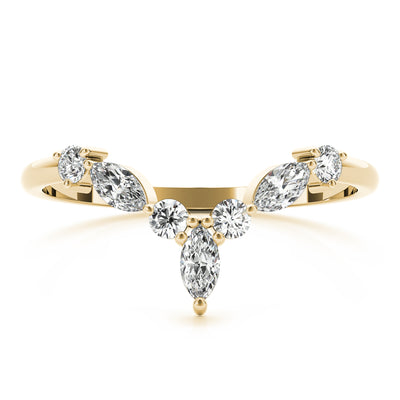
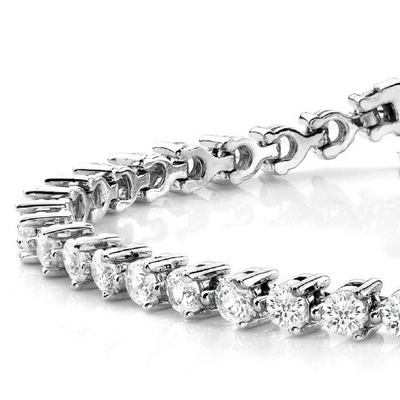
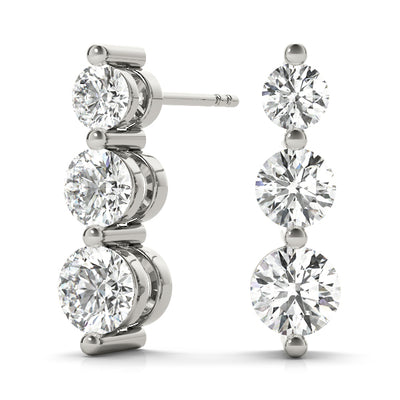
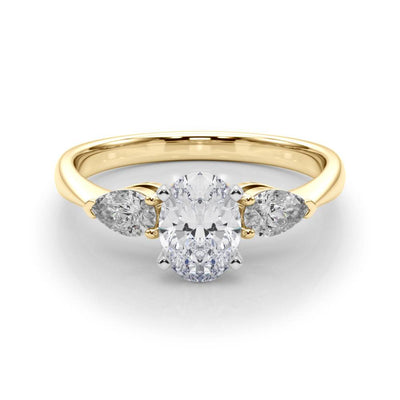
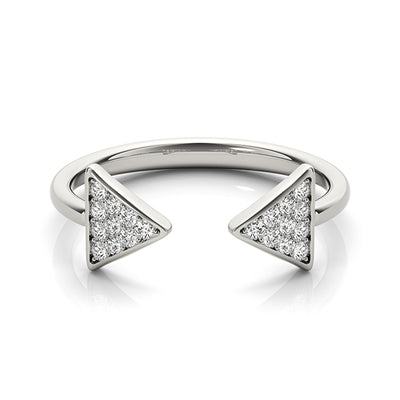
Whether you're looking for a stunning engagement ring, elegant earrings, or a beautiful necklace, lab-grown diamonds offer a modern and ethical choice for your jewelry needs. Discover the world of lab-grown diamonds and explore the endless possibilities of sustainable luxury.
Lab-grown diamonds offer numerous advantages, including their eco-friendly and ethical production. They require no mining, reducing the environmental impact and avoiding issues related to unethical practices. Additionally, lab-grown diamonds often come at a more affordable price compared to natural diamonds, making them accessible to a wider range of customers.
SHOP LAB GROWN DIAMOND RINGS
How Are Lab Grown Diamonds Made?
Lab-grown diamonds can be created by two methods: 1. through a process called chemical vapor deposition (CVD) or 2. high pressure, high temperature (HPHT) methods. Here's an overview of how lab-grown diamonds are made:
How Are Lab Grown Diamonds Made?
Lab-grown diamonds can be created by two methods: 1. through a process called chemical vapor deposition (CVD) or 2. high pressure, high temperature (HPHT) methods. Here's an overview of how lab-grown diamonds are made:
Seed Diamond Selection: The process begins with a tiny diamond seed, which is typically a small fragment of a natural diamond or a lab-grown diamond. This seed will serve as the foundation for the growth of the new diamond.
Creation of Diamond Growth Environment: The diamond seed is placed in a chamber that replicates the conditions, found deep within the Earth's mantle, where natural diamonds are formed. The chamber is filled with a carbon-rich gas, or a mixture of gasses.
Carbon Deposition: In the CVD method, carbon-rich gasses, such as methane, are introduced into the chamber. The gasses are heated to extreme temperatures, causing the carbon atoms to break apart, and deposit onto the diamond seed. Layer by layer, the carbon atoms continue to deposit and crystallize, gradually growing the diamond.
Diamond Growth: Over a period of several weeks to months, the diamond seed is subjected to high temperatures and pressures. Carbon atoms continue to deposit onto the seed, gradually forming a larger diamond. The growth process is carefully monitored, and controlled to ensure the desired quality, and characteristics of the diamond.
Cutting and Polishing: Once the diamond has reached its desired size, it is removed from the growth chamber. It is then cut and polished by skilled diamond cutters, to reveal its full beauty and brilliance.
It's important to remember that lab-grown diamonds have the same physical, chemical, and optical properties as natural diamonds. They are certified by diamond grading laboratories, just like mined diamonds, and offer a sustainable and ethical alternative to mined diamonds.
By choosing lab-grown diamonds, you can enjoy the beauty and luxury of diamonds, while supporting sustainable and responsible practices in the jewelry industry.
High Pressure High Temperature method (HPHT)
The High Pressure High Temperature (HPHT) method, is a diamond production process that involves, subjecting carbon under high pressure and high temperature conditions, to create diamonds. Although it was initially developed for industrial applications, it is now widely used for producing lab-grown diamonds.
In the HPHT process, a small diamond seed is placed in a press, and exposed to intense heat and pressure. The carbon source, typically graphite, is also placed in the press. The combination of extreme pressure, and temperature, causes the carbon atoms to rearrange and bond together, gradually forming a diamond crystal around the seed.
The HPHT method mimics the natural diamond formation process that occurs deep within the Earth's mantle. It allows for the growth of larger diamonds over a shorter period, compared to other methods. The resulting lab-grown diamonds possess the same physical, and chemical properties as natural diamonds.
It's important to note that, while the HPHT method is primarily used for creating lab-grown diamonds, it can also be applied to treat mined diamonds. The HPHT treatment can be used to enhance the color of diamonds, making them more visually appealing.
Overall, the HPHT method has become a key technique in the production of lab-grown diamonds, providing a sustainable and ethical alternative to mined diamonds.
How are HPHT diamonds made?
There are several methods used to create HPHT diamonds, including the Split Sphere (BARS) press, the cubic press, and the belt press. In each method, a small diamond seed is placed in a high-pressure chamber, along with a carbon source. The chamber is then subjected to intense heat and pressure.
In the BARS press, two opposing anvils apply pressure to the chamber, while in the cubic press, six anvils surround the chamber and apply pressure from all sides. The belt press uses a belt-shaped cell to apply pressure. These methods create the necessary conditions for the carbon atoms to rearrange and bond together, forming a diamond crystal around the seed.
The process takes a few weeks as the carbon source melts and the diamond gradually grows around the seed, eventually resulting in a full-sized diamond.
image here (how-are-HPHT-diamonds-made.jpg) (alt="How are HPHT diamonds made?")
How to Identify HPHT Diamonds
To identify an HPHT diamond, you would typically refer to a grading report provided by a reputable gemological laboratory. The grading report will include specific details about the diamond's characteristics and origin, including whether it is a lab-grown diamond.
In the case of an HPHT diamond, the grading report would specify that the diamond is a lab-grown diamond and may indicate that it was created using the HPHT method. The report may include terms like "Laboratory Grown, along with information about the diamond's color, clarity, cut, carat weight, and other relevant details.
It's important to note that the grading report is a crucial document in determining the authenticity and origin of a diamond, especially when it comes to lab-grown diamonds. By consulting the grading report, you can verify the diamond's characteristics and determine whether it is an HPHT diamond or another type of lab-grown diamond.

Some HPHT diamonds may exhibit a blue tint, which is a side effect of the boron exposure during the growing process. Fancy blue diamonds, in particular, are the result of intentional boron addition. However, it's important to note that not all HPHT diamonds will have a blue nuance, as it can vary depending on the specific conditions of the growth process.
Regarding the magnetic response, while it is true that some HPHT diamonds may contain metallic inclusions that cause a magnetic reaction, it is not a foolproof method for identifying HPHT diamonds. Not all HPHT diamonds will have enough metallic inclusions, to exhibit a magnetic response, and the presence of magnetism alone is not definitive proof of an HPHT diamond. Therefore, relying solely on a magnet test, may not provide a reliable indicator for determining if a diamond was grown through the HPHT process.
It's important to consult reputable gemological laboratories and their grading reports, to obtain accurate and reliable information about the diamond's origin, growth process, and other characteristics. These reports provide a comprehensive assessment of the diamond, and are the most reliable source for identifying the specific type, and nature of a diamond, including whether it is an HPHT diamond.
Chemical Vapor Deposition (CVD)
Chemical vapor deposition (CVD), is a modern technology used to create lab-grown diamonds. The process begins by introducing a mixture of hydrocarbon gasses into a specialized chamber. These gasses are then heated to extremely high temperatures, typically ranging from 800 to 1,000 degrees Celsius. Then, additional gasses are introduced to initiate the diamond growth process.
Within the chamber, the gasses undergo breakdown, and the carbon atoms present in the gas, bond together to form diamond crystals. This growth occurs gradually, layer by layer, over a period of several weeks. The resulting lab-grown diamonds have the same chemical composition and crystal structure as natural diamonds.
Compared to the high-pressure high-temperature (HPHT) method, CVD is known for its energy efficiency. The lower energy requirement of the CVD process makes it a popular, and viable alternative, for producing high-quality diamonds in a controlled laboratory environment.
In summary, CVD involves introducing hydrocarbon gasses into a chamber, heating them to extreme temperatures, and allowing the carbon atoms to bond and form diamond crystals over time. The energy-efficient nature of CVD technology contributes to its appeal for creating lab-grown diamonds.
How are CVD Diamonds made?
In the process of creating CVD diamonds, a small slice of diamond seed is placed in a sealed chamber. The chamber is then filled with carbon-rich gasses, such as methane.
To initiate the diamond growth, the gasses are ionized using methods such as microwaves, lasers, or other devices. This ionization creates a plasma, which allows the carbon atoms from the gas to merge, and bond with the diamond seed. The diamond then begins to grow layer by layer, as the carbon atoms continue to deposit on the seed.
This growth process occurs over a period of several weeks, during which the diamond gradually develops into a larger crystal. The result is a lab-grown diamond, with the same chemical composition and crystal structure as natural diamonds.
The CVD method is known for its ability to produce high-quality diamonds, with excellent clarity and color. It is a popular technique in the lab-grown diamond industry, due to its efficiency and control over the growth process. Lovinity™ only sells CVD diamonds, due to their high quality, beauty and their inherent energy efficiency production.
image here (how-are-CVD-diamonds-made.jpg) (alt="How are CVD diamonds made?")
How to Identify CVD Diamonds
CVD diamonds are known to have fewer distinguishing features. To identify a CVD diamond, checking the diamond's grading report is the easiest way as it specifies the growth method. Occasionally, CVD diamonds may exhibit "strain lines" resulting from their growth process, but these lines are typically not visible to the naked eye and require a loupe for observation.
Another characteristic of CVD diamonds is their fluorescence under UV light. Some CVD diamonds may fluoresce in distinct colors like red. However, at Lovinity™, our lab-grown diamonds are available with no fluorescence or faint fluorescence, ensuring a high-quality selection.

image here (how-to-identify-CVD-diamonds.jpg) (alt="How to Identify CVD Diamonds")
In summary, to identify a CVD diamond, referring to the grading report is the most reliable method. While strain lines may be present, they are typically not visible without magnification. Additionally, some CVD diamonds may exhibit fluorescence under UV light, but our lab-grown diamonds at Lovinity™ are carefully chosen to have minimal or no fluorescence.
Which method is better?
Both the CVD, and HPHT methods, are capable of creating high-quality lab-grown diamonds that are visually indistinguishable, from natural diamonds to the naked eye. The choice between the two methods ultimately depends on various factors such as cost, energy efficiency, and specific requirements of the manufacturer.
The CVD method is generally considered to be more energy-efficient, compared to the HPHT method, making it a preferred choice for some manufacturers. On the other hand, the HPHT method has been in use for a longer time, and has a proven track record in the industry.
It's important to note that both methods produce diamonds with identical chemical, optical, and physical properties as natural diamonds. Therefore, the "better" method can be subjective, and dependent on the specific needs and priorities of the manufacturer or consumer.
Lovinity™ only sells CVD diamonds, due to their high quality, beauty and their inherent energy efficiency production.
image here (lab-grown-diamonds-infographics.jpg) (alt="Lab grown diamonds infographics")

