
How Much to Spend on an Engagement Ring
How Much to Spend on an Engagement Ring
The official budgeting guide for 2023
1 Determining the Cost of an Engagement Ring
2 Average Price of Engagement Ring and Factors Affecting Cost
3 Myths About Engagement Rings - Debunked
4 Getting the Best Deal on a Diamond
5 Considering Alternative Options for Mined Diamonds
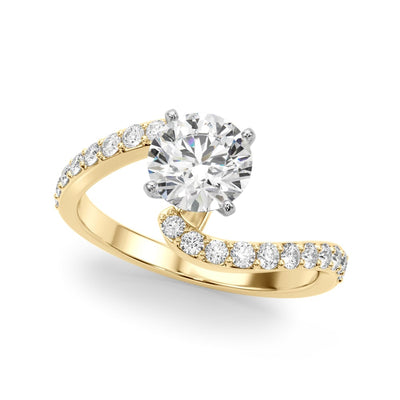
6 Considering Engagement Ring Settings
7 Manipulating the "Four Cs" for Budget-Friendly Engagement Ring
Congratulations on finding the person you want to spend your life with! Buying an engagement ring is an important decision, and it's natural to wonder how much you should spend. The good news is that there's no rigid rule or fixed amount you need to adhere to.
There are indeed many myths and misconceptions surrounding engagement ring costs. The truth is, you should spend what comfortably fits within your budget. It's essential to consider your financial situation and not feel pressured to overspend on a ring.
While there are some rules of thumb to consider, such as the "three months' salary" myth, these guidelines are not set in stone. They are simply traditional notions that have been popularized over time, but they don't reflect modern realities and individual circumstances.
Instead of getting caught up in the myths, focus on the sentiment and meaning behind the engagement ring. It's a symbol of your love and commitment, and its value is more about the emotions it represents than its monetary cost.
When determining your budget, think about what you can comfortably afford without straining your finances. There are beautiful engagement rings available at various price points, and you can find a ring that fits your budget while still being meaningful and special.
Consider exploring different options like lab grown diamonds, different metals, or smaller diamond sizes. Customization is also an excellent way to create a unique and affordable ring that reflects your partner's style and preferences.
Ultimately, the engagement ring's value lies in the love and commitment it represents, so choose a ring that fits your personal budget and holds special significance for you and your partner.
1 Determining the Cost of an Engagement Ring
When it comes to purchasing an engagement ring, there is no one-size-fits-all answer regarding how much you should spend. It is essential to debunk common myths and misconceptions surrounding engagement ring etiquette and focus on a budget that you feel comfortable with.
The cost of an engagement ring varies greatly, and there is no specific price cap when it comes to making this significant purchase. However, if you have concerns that your partner might overspend, open communication is crucial. Here are some tips to address the issue:
Here are some guidelines to help you determine the cost of an engagement ring:
Be Direct and Communicate: If you know that the proposal is on the horizon, engage in an open and honest conversation with your partner about engagement ring expectations and budget. Share your thoughts and preferences, expressing your feelings about spending on the ring.
Budget Comfortably: Your budget should be based on your financial situation and what you can comfortably afford. Avoid going into debt for the sake of purchasing an expensive ring. The sentiment behind the proposal and the commitment you're making matter far more than the price tag.
Casual Conversation Approach: You can subtly slip your opinion into a casual conversation, using a story or example to illustrate your point. For instance, mention that someone you know wished their partner had spent less on the ring to have more budget for the wedding. Share your viewpoint and suggest a maximum budget that aligns with your comfort level.
Set a Budget Together: Work together to determine a budget that fits both your financial situation and expectations. Setting a budget together ensures that you are on the same page and prevents any surprises when it comes to the ring's cost.
Debunking Myths: Let go of any societal pressure or myths that dictate a specific amount or percentage of your income to spend on an engagement ring. Everyone's financial circumstances differ, and it's essential to find a ring that aligns with your budget and values.
Focus on Meaning and Sentiment: The significance of the engagement ring lies in the love and commitment it symbolizes, not solely in its cost. Prioritize finding a ring that holds meaning and resonates with your partner's style and preferences. The thought and sentiment behind the proposal are what truly matter.
Consider Personal Finances: Be considerate of each other's financial situations and make decisions that align with your means and long-term financial goals.
Work Within Your Budget: There are numerous ways to work within your personal budget, while still selecting a beautiful and meaningful engagement ring. Consider lab grown diamonds, different metal types, or explore various settings to find options that fit your budget.
Buy for Quality: Instead of focusing solely on the size of the diamond, prioritize quality. A well-cut diamond will exhibit excellent sparkle and brilliance, even if it's a smaller carat weight. Investing in a high-quality diamond will create a more impressive overall appearance.
Remember, the cost of an engagement ring should be a decision made together as a couple, based on open communication and mutual understanding. Regardless of the budget, what truly matters is the love and commitment shared between you and your partner.
2 Average Price of Engagement Ring and Factors Affecting Cost
According to "Bride's" USA Study in 2020, the average amount couples spent on an engagement ring was $3,756, which showed a decrease compared to the $7,829 average in 2018. However, engagement ring prices can vary significantly, and the amount spent depends entirely on the financial situation of the couple.
It is essential to emphasize that there is no fixed rule on how much to spend on an engagement ring. Each couple's budget and financial circumstances differ, and it is crucial to spend an amount that you feel comfortable with. Going into debt for an engagement ring is unnecessary and not advisable.
The cost of an engagement ring is influenced by several factors, and it should be tailored to your partner's preferences and desires. Some factors to consider include:
Size and Style: The size and look of the ring that your significant other prefers will impact the price. Their choice may lean towards a delicate design with a smaller carat weight or a more substantial stone.
The 4Cs: The diamond's cut, color, clarity, and carat weight are essential factors in determining the price of the ring. Your partner may prioritize a particular aspect of diamond quality, which can affect the overall cost.
Center Stone: The size and quality of the center stone play a significant role in the ring's cost. Larger and higher-quality diamonds tend to be more expensive.
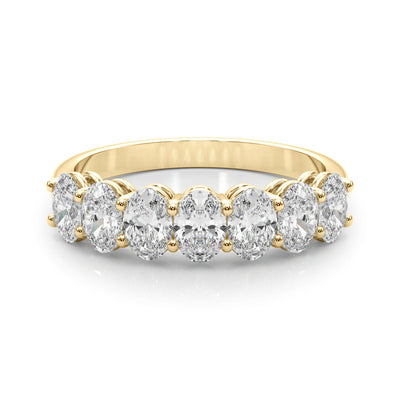
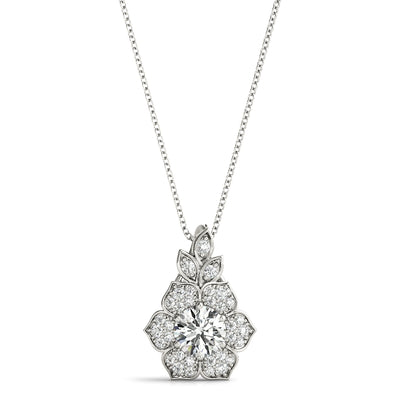
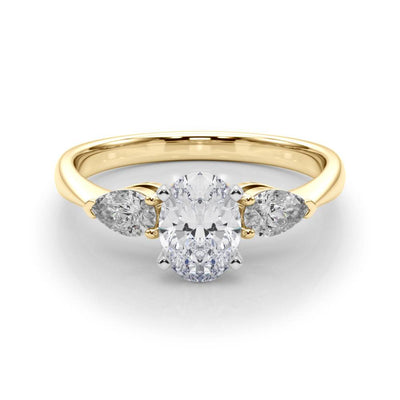
Additional Details: Additional details such as a halo setting or diamonds set in the band can add to the ring's cost. The type of metal chosen for the setting also influences the overall price.
Remember that there are various ways to achieve the desired look for any budget. It is essential to communicate openly with your partner about their preferences, and be mindful of your financial situation. By doing so, you can find or create a beautiful and meaningful engagement ring that perfectly reflects your love and commitment.
3 Myths About Engagement Rings - Debunked
- Spending Three Months' Salary: One of the most common and outdated engagement ring myths, is the notion that an individual should spend about three months' worth of their salary on the ring. However, this rule is not practical or necessary in today's world. With advancements in technology and the availability of lab-grown diamonds, it is possible to find high-quality stones at more affordable prices. The focus should be on finding a ring that fits your budget comfortably, while still meeting your desired size and quality preferences.
- The Bigger, the Better: Another prevailing myth is that a bigger diamond is always better. While size can be an essential factor, it should not overshadow the overall quality and beauty of the diamond. The cut, color, clarity, and carat weight all play a role in determining a diamond's value and visual appeal. Instead of solely focusing on size, consider investing in a well-cut diamond with excellent sparkle and brilliance. Yet, it is true that you can now get much bigger diamonds for much less money when choosing lab grown diamonds.
- Diamonds Are the Only Option: While diamonds are a classic and popular choice for engagement rings, they are not the only option. There is a wide range of alternative gemstones available, each with its unique beauty and symbolism. Lab grown diamonds, Sapphire, emerald, ruby, or other colored gemstones can make stunning and meaningful engagement rings.
- The More Expensive, the More Love: The price of an engagement ring does not equate to the depth of love and commitment in a relationship. The true value lies in the sentiment behind the proposal, and the significance the ring holds for the couple. The emphasis should be on finding a ring that reflects your love, and fits within your financial means.
- Sacrificing Quality for Size: Some believe that sacrificing diamond quality, to get a larger stone is a wise decision. However, it's crucial to strike a balance between size and quality. A well-cut, high-quality diamond will sparkle and shine, even if it's not the largest carat weight. Prioritize the overall beauty and brilliance of the diamond over sheer size.
By debunking these myths and focusing on meaningful choices, you can find an engagement ring that perfectly represents your love and commitment, while also staying within your budget and priorities.
4 Getting the Best Deal on a Diamond
To ensure you get the best possible diamond for your budget, it's essential to consult with Lovinity diamond experts who can guide you through the process. Here are some steps to help you make an informed decision:
- Seek Professional Advice: Diamond selection is a complex process that involves understanding various factors for each cut and shape. Consulting with a reputable diamond expert, like a Lovinity™ diamond consultant, can provide valuable insights and personalized guidance based on your preferences and budget.
- Understand the Four Cs: Familiarize yourself with the Four Cs of diamonds—cut, color, clarity, and carat weight. Each of these factors significantly impacts the diamond's value and appearance. With expert assistance, you can prioritize the Four Cs to find the best combination that suits your preferences and budget.
- Define Your Priorities: Determine what aspects of the diamond are most important to you and your partner. For example, if brilliance and sparkle are a priority, focus on finding a well-cut diamond. If size is crucial, consider balancing other factors to maximize carat weight within your budget.
- Compare Prices and Retailers: Take the time to compare prices from different retailers to ensure you are getting a competitive deal. Look for reputable sellers known for their transparency and quality like Lovinity™. Be cautious of deals that seem too good to be true, as they may indicate subpar diamonds or misleading practices.
- Explore Alternative Options: Consider alternative diamond options, such as lab-grown diamonds or alternative gemstones, which may offer better value for your money while still providing a stunning and meaningful choice.
- Certificate and Grading: Always request a diamond grading report from a reputable gemological laboratory like GIA or IGI. This report provides an independent assessment of the diamond's quality, and ensures that you are getting what you pay for.
By enlisting the help of Lovinity™ diamond experts, and understanding the factors that affect diamond value, you can confidently navigate the process of selecting the perfect diamond that fits your budget and preferences. Working with the professionals at Lovinity™ will ensure that you make an informed decision, and find a beautiful and valuable symbol of your love and commitment.
5 Considering Alternative Options for Mined Diamonds
Using lab-grown diamonds or alternative gemstones as the center stone in an engagement ring has become an increasingly popular and budget-friendly choice. Here are some options to explore:
Lab-Grown Diamonds: Lab-grown diamonds offer the same physical and chemical properties as mined diamonds but are more affordable. They are a great choice for those seeking a high-quality diamond without the premium price tag.
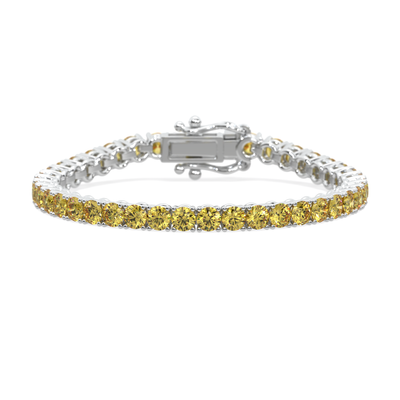
Blue Sapphires, Rubies, and Emeralds: These traditional gemstones are timeless and come in various colors and qualities. Depending on the specific stone and its quality, they can be priced slightly lower than mined diamonds or close to lab-grown diamond prices.
Green Tourmaline, Peachy-Pink Morganite, and Ice Blue Aquamarine: These nontraditional gemstones are gaining popularity due to their striking colors and affordability. They can be excellent options for those seeking a more budget-friendly alternative to mined diamonds or lab-grown diamonds.
Ultimately, the choice of the center stone should reflect personal preferences and budget considerations. Whether opting for lab-grown diamonds, traditional gemstones, or nontraditional options, each choice can create a beautiful and meaningful engagement ring that shines brightly.
When making your decision, consider factors such as the stone's quality, color, durability, and symbolism. Consult with a Lovinity™ reputable jeweler gemologist who can provide valuable insights, and help you find the perfect alternative diamond that fits your style and budget.
Considering Engagement Ring Settings
Engagement ring settings play a significant role in both the overall look of the ring, and its cost. Here are some points to keep in mind when choosing a setting:
Setting Cost: Certain settings can be more expensive due to the complexity of design, and the additional stones involved. While some settings can be stunning, they may impact the budget and influence the size of the center stone. Be mindful of the setting's cost when considering the overall budget for the ring.
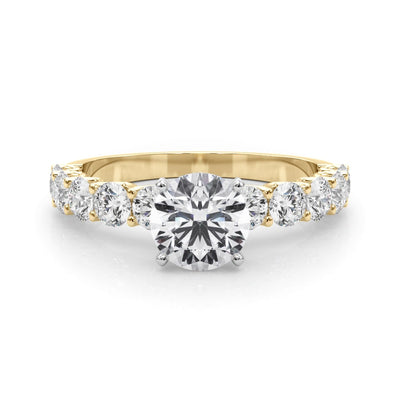
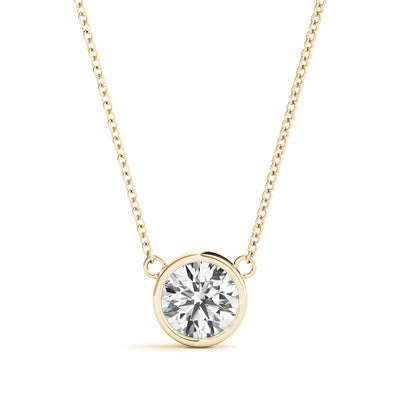
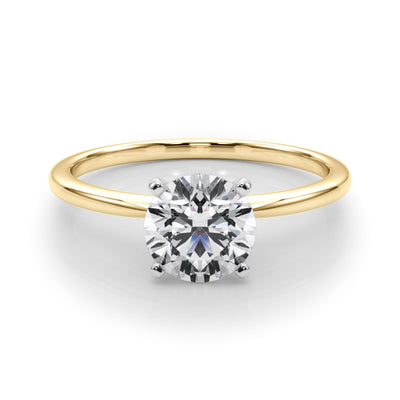
Classic Solitaire Setting: If you prefer to allocate the bulk of your budget to the diamond itself, consider a classic solitaire setting. This timeless and elegant design features a single center stone, without additional accent stones or intricate details. A solitaire setting allows the center diamond to take the spotlight, creating a more prominent and impactful appearance.
Customization Options: Many jewelers offer customization options for engagement ring settings. You can work with a Lovinity™ jeweler to create a unique design that aligns with your preferences and budget. This way, you can strike a balance between the setting's cost and the diamond's size and quality.
Durability and Practicality: Consider the durability and practicality of the chosen setting. Some intricate or delicate settings may require more frequent maintenance, or be less suitable for everyday wear. Opt for a setting that suits your partner's lifestyle, and ensures the ring remains beautiful and secure over time.
Personal Preference: Ultimately, the setting you choose should reflect your partner's style and taste. Consider their preferences when deciding on the design, as the engagement ring is a symbol of your love and commitment.
By understanding the influence of engagement ring settings on both the ring's appearance and cost, you can make an informed decision that results in a stunning, and meaningful piece of jewelry. Collaborate with a Lovinity™ jeweler who can offer expert advice, and guide you toward the perfect setting and diamond combination that suits your budget and preferences.
Manipulating the "Four Cs" for Budget-Friendly Engagement Rings
When working with a limited budget, you can strategically manipulate the "Four Cs" of diamonds, to create a more affordable yet stunning engagement ring.
Here's how you can do it:
Lower Color and Clarity: Focus on the lower end of the color and clarity scales to reduce costs. With brilliant-cut diamonds, you may not notice a significant difference in appearance, by opting for slightly lower color grades or clarity. As long as the inclusions are not visible to the naked eye, the diamond will still appear beautiful and brilliant.
Clarity Considerations: Contrary to popular belief, clarity does not impact the brilliance or sparkle of the diamond. If a diamond has inclusions that are not visible without magnification, it can still be an excellent choice for your engagement ring. By prioritizing eye-clean diamonds, you can save on costs without compromising on quality.
Personal Preference for Color: The color of the diamond is a matter of personal preference. If size is a top priority for you, consider selecting a diamond with a slightly lower color grade. Diamonds in the near-colorless range (G-H) still appear white to the naked eye, and choosing this color range can help you save money while maintaining a beautiful appearance.
Focus on Cut and Carat: While manipulating color and clarity can save money, do not compromise on the cut and carat weight. A well-cut diamond will maximize brilliance and sparkle, creating a visually appealing ring. Choose a carat weight that fits your desired size without exceeding your budget.
Remember that the "Four Cs" interact with each other, and finding the right balance is key to getting the most value out of your engagement ring. Working with a reputable jeweler or diamond consultant can provide valuable guidance in selecting a diamond that meets your preferences and budget while ensuring a beautiful and meaningful symbol of your love and commitment.