

Lab VS Mined Diamonds
Lab Grown VS Mined Diamonds - all the details for 2023
Lab-grown diamonds are real diamonds. They have the same chemical and physical properties as naturally-mined diamonds. The only difference lies in their origin.
Lab-grown diamonds are created in a laboratory, using advanced technology that replicates the natural diamond-growing process. They are produced under controlled conditions that simulate the high pressure, and temperature, found deep within the Earth's mantle, where natural diamonds are formed over millions of years.
The result is a diamond that is chemically, and optically, identical to a natural diamond. Lab-grown diamonds have the same hardness, brilliance, and durability as their mined counterparts. They are graded using the same standards by gemological institutes.
They are also based on the same value factors that determine the value of natural diamonds: the carat weight, cut, color, and clarity. However, lab-grown diamonds are generally priced lower than natural diamonds of comparable quality, offering a more affordable option for those seeking a diamond.
Ultimately, the choice between a lab-grown diamond and a natural diamond depends on personal preference and priorities. Lab-grown diamonds offer an ethical, and sustainable alternative to mined diamonds, while still providing the beauty and allure of a genuine diamond.
image here (are-lab-created-diamonds-real.jpg) (alt="Are lab created diamonds real?")
What is a lab grown diamond?
A lab-grown diamond is a diamond that is created in a laboratory, rather than being formed naturally in the Earth's crust. The process involves replicating the conditions under which diamonds are formed, typically using either High-Pressure High Temperature (HPHT) or Chemical Vapor Deposition (CVD) methods.
In the HPHT method, a small diamond seed is placed in a high-pressure press, and subjected to high temperatures and pressure. Carbon atoms from a carbon source are then deposited onto the seed, gradually causing the diamond to grow in size.
In the CVD method, a diamond seed is placed in a chamber and exposed to a carbon-rich gas. By applying heat and energy, the carbon atoms from the gas form a solid layer, gradually building up the diamond crystal.
Both methods result in the growth of a real diamond with the same chemical and physical properties as a naturally-mined diamond. The lab-grown diamonds undergo the same cutting, polishing, and grading processes as mined diamonds.
Lab-grown diamonds offer several advantages. They are a more environmentally friendly and sustainable option, as they require less energy and have a smaller carbon footprint compared to diamond mining. They are also free from the ethical concerns associated with the mining industry, as they are created in a controlled laboratory setting.
In terms of appearance and quality, lab-grown diamonds are indistinguishable from mined diamonds. They exhibit the same optical and physical properties, including hardness, brilliance, and clarity. They are graded and certified by gemological institutes, using the same standards as mined diamonds.
image here (lab-grown-vs-natural-diamond.jpg) (alt="Lab Grown vs Natural Diamond")
Benefits of Lab Grown Diamonds
Lab-grown diamonds offer several advantages compared to naturally-mined diamonds:
- Affordability: Lab-grown diamonds typically cost about 40-50% less than natural diamonds of similar size and quality. This price difference makes lab-grown diamonds a more budget-friendly option for those seeking the beauty and elegance of a diamond without the higher price tag.
- Indistinguishable from natural diamonds: The process of growing diamonds in a lab replicates the same conditions that occur naturally in the Earth's crust. As a result, lab-grown diamonds have the same physical, chemical, and optical properties as natural diamonds. This makes it virtually impossible to differentiate between a lab-grown diamond and an earth-mined diamond based on appearance alone.
- Certification and grading: Lab-grown diamonds undergo the same rigorous certification and grading processes as mined diamonds. They are evaluated by independent gemological institutes and graded according to the same industry standards. This ensures that lab-grown diamonds are held to the same quality and authenticity standards as their mined counterparts.
In summary, lab-grown diamonds offer a more affordable alternative to natural diamonds, while maintaining the same visual beauty, and meeting the same industry standards. They provide an ethical and sustainable choice for those who value both the aesthetics, and the environmental impact of their diamond jewelry.
image here (lab-grown-diamonds-vs-mined.jpg) (alt="Lab Grown Diamonds vs Mined")
Frequently Asked Questions About Lab-Grown Diamond Jewelry
1. Why are lab grown diamonds have a much lower price
Lab-grown diamonds typically have a lower price compared to natural diamonds due to the difference in their production processes and supply chains. Here are some reasons why lab-grown diamonds are generally more affordable:
Elimination of mining costs: The process of mining natural diamonds involves significant expenses, including exploration, excavation, and extraction. These costs are not present in the production of lab-grown diamonds, as they are created in a controlled laboratory environment.
Efficient production: Lab-grown diamonds can be produced more efficiently compared to natural diamonds, as the growth process can be carefully controlled and optimized. This allows for a higher yield of diamonds from each production run, reducing overall costs.
Shorter supply chain: Lab-grown diamonds have a shorter supply chain compared to natural diamonds. They are created in a lab, eliminating the need for complex and lengthy processes involved in mining, transportation, and distribution of natural diamonds. This streamlined supply chain helps reduce costs.
Less market demand: Even though there is still less market demand for them compared to natural diamonds, The popularity of lab-grown diamonds is increasing. This currently lower demand, which is most likely going to change soon, can contribute to lower prices as manufacturers and retailers compete to attract customers.
It is worth noting that the price difference between lab-grown and natural diamonds, can vary depending on factors such as size, quality, and market demand. Additionally, market dynamics and pricing strategies of individual sellers can also influence the pricing of lab-grown diamonds.
2 Is a Cubic Zirconia (CZ) the same as a lab grown diamond?
No they are not. While lab-grown diamonds are created using carbon and have the same crystal structure as natural diamonds, cubic zirconia is made from zirconium dioxide and is not as durable or optically similar to diamonds. Lab-grown diamonds possess the same physical strength and chemical properties as natural diamonds, making them a distinct and genuine alternative to mined diamonds.
3 Are laboratory-grown diamonds real diamonds?
Yes, laboratory-grown diamonds are real diamonds. They have the same chemical composition and crystal structure as natural diamonds. Lab-grown diamonds are created in a controlled environment that replicates the natural diamond formation process, resulting in diamonds that are visually and chemically identical to mined diamonds. They exhibit the same physical and optical properties, including the characteristic sparkle and brilliance. Only specialized equipment and testing can distinguish between lab-grown diamonds and natural diamonds. Grading reports from reputable gemological laboratories can provide further assurance of a diamond's origin and quality.
image here (are-man-made-diamonds-real.jpg) (alt="Are Man Made Diamonds Real?")
4 Are lab grown diamonds GIA Certified?
Yes, lab-grown diamonds are also certified by GIA, and all other gemological institutions. The Gemological Institute of America (GIA) is a well-known and respected gemological laboratory that provides grading, and certification services for diamonds. Lab-grown diamonds undergo the same grading process as mined diamonds, where they are evaluated based on the 4Cs (cut, clarity, color, and carat weight) to determine their quality and characteristics. Lab-grown diamonds can receive the same type of certification from GIA as mined diamonds, providing consumers with assurance and documentation of their quality. (Learn more about the 4Cs.)
5 Do lab grown diamonds have flaws?
Like mined diamonds, lab-grown diamonds can have internal characteristics, known as inclusions and external characteristics known as blemishes. These characteristics are considered natural, and are part of a diamond's unique fingerprint. The presence of these flaws can affect a diamond's clarity grade, which is one of the 4Cs used to evaluate a diamond's quality.
However, it's worth noting that lab-grown diamonds can offer better clarity grades, compared to mined diamonds of the same price range. This is because lab-grown diamonds are generally more affordable, allowing consumers to select diamonds with higher clarity grades within their budget. Therefore, while lab-grown diamonds can still have flaws, they may offer better clarity options, at a similar price point compared to mined diamonds.
It's always recommended to review the grading report of a diamond, whether lab-grown or mined, to understand its specific characteristics and ensure it meets your preferences and expectations.
6 Do lab grown diamonds retain value?
The value of lab-grown diamonds can vary, much like mined diamonds. Lab-grown diamonds are priced based on their quality, which is determined by the 4Cs (cut, clarity, color, and carat weight). Like mined diamonds, lab-grown diamonds can retain value if they are well-cut, have good clarity, desirable color, and are of a larger carat weight.
However, it's important to note that diamonds, whether lab-grown or mined, should not be viewed as a guaranteed financial investment. While they may hold value over time, the resale value of diamonds can be influenced by market factors, trends, and the specific characteristics of the diamond itself. It's advisable to purchase diamonds for their emotional or aesthetic value rather than solely as a financial investment.
When selling a diamond, it's common for buyers to offer a price below the original purchase price, due to factors such as the need to make a profit and market conditions. It's important to do thorough research, work with reputable sellers, and understand the market before making any diamond purchase.
7 Can you insure a lab grown diamond ring?
Yes, you can insure a lab-grown diamond ring just like you would insure a ring with a mined diamond. Insurance companies typically do not differentiate between lab-grown and mined diamonds, when it comes to coverage. However, it's important to disclose to your insurer that the diamond in your ring is lab-grown, and not mined. This ensures that your policy accurately reflects the value of your jewelry, and that you receive appropriate coverage.
When insuring a lab-grown diamond ring, it's advisable to obtain an appraisal from a qualified professional. The appraisal should include detailed information about the lab-grown diamond's characteristics, such as the 4Cs, and its estimated value. This information will help your insurer determine the appropriate coverage, and premium for your ring.
Having insurance for your lab-grown diamond ring, provides peace of mind in case of loss, theft, or damage. It allows you to financially protect your investment, and have it replaced with a comparable lab-grown diamond in the event of an unfortunate incident.
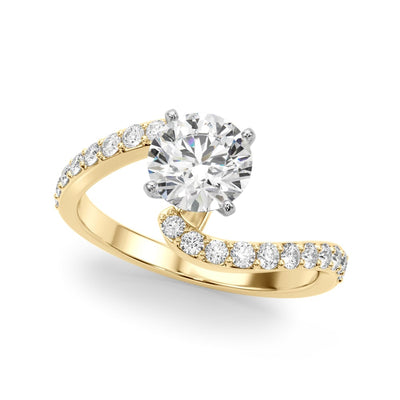
SHOP LAB GROWN ENGAGEMENT RINGS
SHOP LAB GROWN ENGAGEMENT RINGS
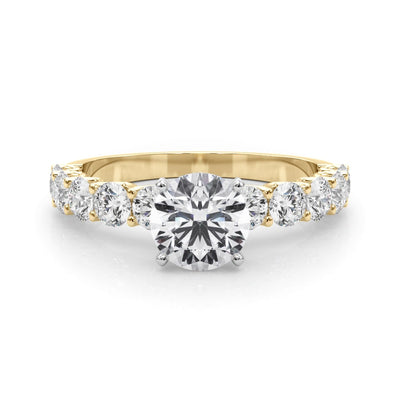
image here (lab-grown-diamonds-ring.jpg) (alt="Lab Grown Diamond Ring")
Should I buy a lab grown or naturally-mined diamond?
When deciding between a lab-grown or naturally-mined diamond, it ultimately comes down to your personal preferences and values. Here are some factors to consider:
Reasons to choose a lab-grown diamond:
- Budget-friendly: Lab-grown diamonds typically cost around 50% less than mined diamonds of similar quality, making them a more affordable option.
- Modern symbolism: If you appreciate the advancements in modern technology, and want a diamond that represents a contemporary approach to love and commitment, a lab-grown diamond may be the right choice for you.
- Sustainable and ethical considerations: Lab-grown diamonds have a smaller environmental footprint compared to mined diamonds, and are considered a more environmentally conscious choice.
Reasons to choose a naturally-mined diamond:
- Natural origin: If the idea of owning a diamond that was formed naturally, over billions of years, deep within the Earth holds significance to you, a mined diamond may be more appealing.
- Classic symbolism: Some people appreciate the timeless tradition and symbolism associated with naturally-mined diamonds, seeing them as a representation of enduring love and the beauty of nature's creations.
- Cultural and sentimental value: Mined diamonds have a long history and cultural significance, and for some, owning a naturally-mined diamond holds sentimental value.
Ultimately, the choice between a lab-grown or naturally-mined diamond, is a personal one. Consider your budget, values, and the symbolism that resonates with you. Whichever type of diamond you choose, it's important to ensure proper certification, to guarantee the quality and authenticity of your diamond.
image here (lab-grown-diamond-solitaire-rings.jpg) (alt="Lab Grown Solitaire Diamond Rings")
In Conclusion
Lab-grown diamonds are genuine diamonds with the same physical and chemical properties as natural diamonds. They offer a more affordable option, typically costing around 50% less than mined diamonds. However, the choice between lab-grown and mined diamonds is a personal one, and depends on the significance and value you place on your diamond.
Both types of diamonds are beautiful and durable, lasting forever. The most significant difference lies in the price, with lab-grown diamonds offering a cost-saving advantage. Ultimately, what matters most is the meaning and sentiment attached to your diamond, and the decision should be based on your individual preferences and values.
While the physical differences between lab-grown and mined diamonds are virtually indistinguishable, the price difference may be a significant factor. It is worth considering the cost savings without compromising on the quality and beauty of the diamond.
Comparing Lab and Mined
