

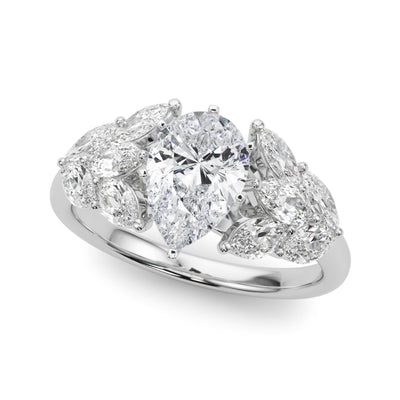
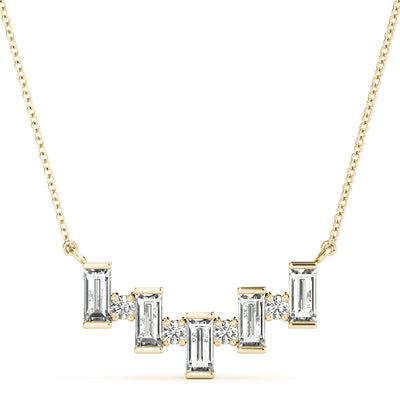
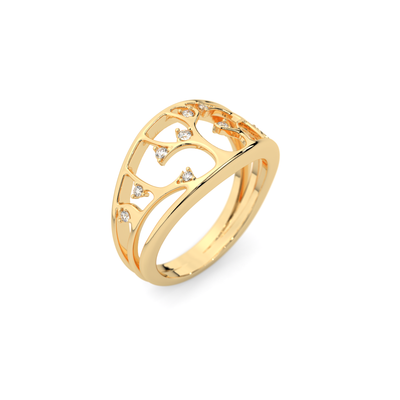
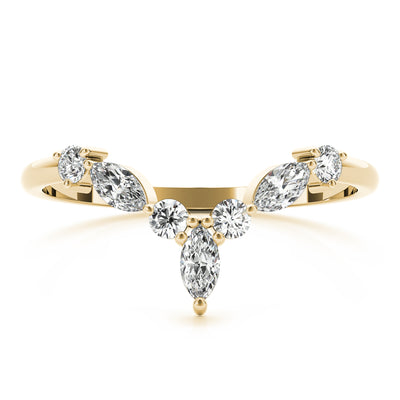


Sustainable Diamonds
diamonds that have been sourced ethically and responsibly, minimizing the negative environmental and social impacts associated with traditional diamond mining. There are three primary categories of sustainable diamonds:
Lab-Grown Diamonds: These diamonds are produced in a laboratory setting using advanced technology that replicates the natural diamond formation process. Lab-grown diamonds are environmentally friendly, as they eliminate the need for diamond mining and have a lower carbon footprint compared to mined diamonds.
Recycled Diamonds: These diamonds are previously mined diamonds that have been recycled, repurposed, or reset into new jewelry pieces. By recycling diamonds, the demand for new mining is reduced, making it an environmentally sustainable option.
Ethically Sourced Diamonds: These diamonds are obtained through ethical mining practices that prioritize fair labor conditions, worker safety, and environmental stewardship. Ethically sourced diamonds often come from mines that adhere to stringent standards and certifications, ensuring responsible mining practices.
By choosing sustainable diamonds, individuals can support ethical practices, reduce environmental impact, and contribute to a more responsible diamond industry. It's important to verify the authenticity and sourcing of sustainable diamonds through reliable certifications and transparent supply chains.
Eco-friendly
Choosing sustainable diamonds is a decision that benefits the environment, promotes ethical practices, and can even offer potential cost savings. While we often associate eco-friendly choices with reducing single-use plastic or using reusable items, selecting sustainable diamonds for jewelry is an important consideration.
Firstly, sustainable diamonds are better for the environment. Traditional diamond mining can have significant ecological impacts, including habitat destruction and water pollution. In contrast, sustainable diamonds are sourced through lab-grown methods, recycled diamonds or responsible mining practices. These alternatives reduce the negative environmental footprint associated with diamond extraction and contribute to a more sustainable industry.
Secondly, eco friendly diamonds are more ethical. By opting for lab grown diamonds, you can be confident that your jewelry supports responsible practices and does not contribute to human rights violations or exploitation.
Lastly, choosing sustainable diamonds may offer cost savings. Lab-grown diamonds, for example, are often priced much more affordably compared to mined diamonds. This provides an opportunity to acquire a beautiful and high-quality diamond without compromising on your budget.
In conclusion, considering lab grown sustainable diamonds aligns with eco-friendly values by protecting the environment, supporting ethical practices, and potentially saving you money. While reducing single-use plastic and using reusable items are important steps, exploring sustainable options for jewelry should also be part of our conscious consumer choices.
Climate change
Choosing sustainable diamonds is a decision that benefits the environment, promotes ethical practices, and can even offer potential cost savings. While we often associate eco-friendly choices with reducing single-use plastic or using reusable items, selecting sustainable diamonds for jewelry is an important consideration.
Firstly, sustainable diamonds are better for the environment. Traditional diamond mining can have significant ecological impacts, including habitat destruction and water pollution. In contrast, sustainable diamonds are sourced through lab-grown methods, recycled diamonds or responsible mining practices. These alternatives reduce the negative environmental footprint associated with diamond extraction and contribute to a more sustainable industry.
Secondly, eco friendly diamonds are more ethical. By opting for lab grown diamonds, you can be confident that your jewelry supports responsible practices and does not contribute to human rights violations or exploitation.
Lastly, choosing sustainable diamonds may offer cost savings. Lab-grown diamonds, for example, are often priced much more affordably compared to mined diamonds. This provides an opportunity to acquire a beautiful and high-quality diamond without compromising on your budget.
In conclusion, considering lab grown sustainable diamonds aligns with eco-friendly values by protecting the environment, supporting ethical practices, and potentially saving you money. While reducing single-use plastic and using reusable items are important steps, exploring sustainable options for jewelry should also be part of our conscious consumer choices.
Climate change
In light of the pressing issue of climate change and the need for environmental responsibility, lab grown sustainable diamonds are gaining significant popularity as a conscious choice. As we strive to adopt more environmentally-friendly practices in our daily lives, sustainable diamonds such as lab grown offer an attractive option in the realm of jewelry.
The production and sourcing of lab made diamonds prioritize environmental considerations. Unlike traditional diamond mining, which can have adverse effects on ecosystems, sustainable diamonds are obtained through lab-grown methods, the recycling of existing diamonds, or obtained through responsible mining practices. By opting for sustainable diamonds, individuals contribute to the preservation of natural resources and minimize the environmental impact associated with diamond extraction.
The growing awareness and concern for the environment have led to an increased demand for sustainable alternatives across various industries, including the jewelry sector. Consumers are recognizing the importance of supporting ethical and environmentally-conscious practices. Sustainable lab diamonds offer an opportunity to align personal values with purchasing decisions, ensuring that the beauty of the jewelry does not come at the expense of the planet.
By choosing sustainable grown diamonds, individuals play a part in mitigating the effects of climate change and fostering a more sustainable future. This growing trend reflects a collective effort to make environmentally-friendly choices in every aspect of our lives, including the jewelry we wear.
Sustainable Diamonds vs. Natural Diamonds
On average, sustainable lab-grown diamonds are priced 40 to 50 percent lower than natural mined diamonds. This cost advantage offers comparable or even superior quality when compared to their natural counterparts. While numerous mainstream diamond retailers now offer ethical diamonds, sustainable lab made diamonds provide additional benefits for the environment due to the significant environmental impact associated with diamond mining.
The traditional diamond industry has indeed posed challenges for the planet. The process of mining diamonds has contributed to environmental degradation and climate change. Sustainable grown diamonds, on the other hand, minimize these negative effects by embracing lab-grown techniques. By opting for sustainable lab grown diamonds, consumers actively support the reduction of environmental harm caused by the diamond industry.
Notably, the availability of ethical lab diamonds from mainstream retailers is a positive development, indicating a growing awareness and demand for responsible sourcing. However, sustainable lab grown diamonds offer an even greater environmental advantage due to their specific focus on minimizing ecological impacts.
By choosing lab grown diamonds, individuals can align their purchasing decisions with their commitment to environmental sustainability. These diamonds not only offer affordability and high quality but also contribute to a more environmentally conscious and responsible industry.
The environmental impact of natural diamond mining is indeed significant. It has been estimated that for each one carat of diamonds mined, up to 250 tons of earth are removed, 127 gallons of fresh water are utilized, large quantities of water become contaminated with acid mine runoff, approximately 143 pounds of air pollution are emitted, and substantial amounts of fossil fuels are consumed. These mining practices contribute to a range of negative consequences, including deforestation, flooding, and drought.
The environmental impact of natural diamond mining is indeed significant. It has been estimated that for each one carat of diamonds mined, up to 250 tons of earth are removed, 127 gallons of fresh water are utilized, large quantities of water become contaminated with acid mine runoff, approximately 143 pounds of air pollution are emitted, and substantial amounts of fossil fuels are consumed. These mining practices contribute to a range of negative consequences, including deforestation, flooding, and drought.
Furthermore, the ethical concerns surrounding diamond mining cannot be overlooked. In many cases, diamond mines are situated in areas where local communities face marginalized conditions. Historically, diamond mining has been conducted without adequate consideration for the social, environmental, and long-term ecological impact on these communities.
These issues highlight the importance of sustainable alternatives such as lab-grown diamonds or recycled diamonds. By opting for these options, individuals can significantly reduce the environmental footprint associated with diamond mining. Sustainable lab diamonds prioritize responsible practices and ensure that the needs and well-being of local communities are considered.
As awareness grows regarding the negative impacts of traditional diamond mining, more emphasis is being placed on supporting sustainable practices that minimize harm to the environment and prioritize ethical considerations. By choosing sustainable lab grown diamonds, consumers can actively contribute to a more responsible and sustainable diamond industry.
Types of Sustainable Diamonds
Lab-Grown Diamonds
Lab diamonds are indeed a sustainable option, and are gaining popularity in the market. These diamonds are considered sustainable, because they are not mined from the earth. Instead, they are created in a laboratory setting. Lab-grown diamonds are real diamonds that undergo a process, in which the natural formation of diamonds involving heat and pressure over millions of years, is replicated in a controlled environment.
The lab-grown diamond industry utilizes advanced technology, to create diamonds with identical, chemical and physical properties to natural diamonds. They exhibit the same brilliance, durability, and beauty as mined diamonds. However, the production of lab-grown diamonds requires significantly fewer environmental resources, and does not contribute to the negative environmental and social impacts associated with traditional diamond mining.
By opting for lab-grown diamonds, individuals can enjoy the beauty and authenticity of real diamonds, while making a sustainable choice. These diamonds are an excellent alternative for environmentally conscious consumers, who seek to minimize their impact on the environment, and support ethical practices in the diamond industry.
Recycled Diamonds
Recycled diamonds, which are repurposed from previously owned jewelry or other sources, are indeed a popular form of sustainable diamonds. While the original sourcing of these diamonds may be unknown or potentially unsustainable, recycling them helps prevent further harm from unethical or improper diamond mining practices.
The advantage of recycled diamonds lies in the fact that they are still mined diamonds, but their reuse and repurposing make them a more environmentally friendly choice. By opting for recycled diamonds, individuals contribute to reducing the demand for newly mined diamonds, and the associated environmental impacts. It is important to note that recycled diamonds undergo a process of reevaluation, recutting, and resetting to ensure their quality and appearance are preserved.
Choosing recycled diamonds supports the principles of sustainability and responsible resource management. It allows individuals to enjoy the beauty and uniqueness of diamonds, while minimizing their environmental footprint and promoting ethical practices within the diamond industry.
The Pros and Cons of Sustainable Diamonds
Pros
Opting for a sustainable diamond, whether lab-grown or recycled, offers several advantages that go beyond personal style and preference. One of the most significant advantages is the positive impact on the fight against climate change. By consciously choosing a sustainable lab diamond, individuals contribute to reducing the environmental damage caused by traditional diamond mining practices. If more people prioritize sustainable grown diamonds, it has the potential to alleviate ongoing harm to the planet and potentially reverse some of the damage.
In addition to the environmental benefits, lab-grown diamonds also offer a cost advantage compared to traditionally mined diamonds. Lab-grown diamonds are typically priced lower than their mined counterparts, while maintaining the same physical, chemical, and optical characteristics. The cost of a lab-grown diamond will vary based on its quality, similar to mined diamonds, but usually be 40 to 50% lower in price.
It is essential to note that lab-grown diamonds come in various qualities, and their price will correspondingly vary. By exploring the range of lab-grown diamonds available, individuals can find options that suit their budget and preferences without compromising on the authenticity and beauty of the diamond.
Ultimately, choosing a sustainable lab made diamond allows individuals to make a positive impact on the environment, while still enjoying the qualities and aesthetic appeal of a diamond, often at a more affordable price point.
Cons
The perception and objections raised by some earth-mined diamond sellers regarding lab-grown diamonds are understandable, as the emergence of lab-grown diamonds has disrupted the traditional diamond industry. However, it is important to address these objections and provide a more balanced understanding of lab-grown diamonds:
Resale Value: The concern that lab-grown diamonds have negligible resale value is a valid point. Currently, the market for reselling lab-grown diamonds is not as established as that for earth-mined diamonds. However, as the demand for lab-grown diamonds continues to grow, the secondary market for these diamonds is also expected to develop. It is likely that with increasing consumer acceptance and market maturity, the resale value of lab-grown diamonds will improve over time.
Carbon Footprint: The objection that the manufacturing process of lab-grown diamonds may leave a similar or worse carbon footprint than natural diamond mining is a complex issue. While it is true that lab-grown diamonds require energy to power the reactors used in their production, the overall carbon footprint is significantly lowered in comparison to earth mined diamonds. The diamond industry, both natural and lab-grown, is actively working towards adopting more sustainable practices and reducing carbon emissions. With the increasing focus on renewable energy sources, such as solar and wind, the carbon footprint associated with lab-grown diamonds can be significantly minimized.
Authenticity of Lab-Grown Diamonds: Some misconceptions exist regarding the authenticity of lab-grown diamonds, with some people believing they are not "real" diamonds. In reality, lab-grown diamonds are chemically and visually identical to earth-mined diamonds. They possess the same physical and chemical properties, and they are certified by reputable diamond laboratories, including the Gemological Institute of America (GIA). These certifications ensure that lab-grown diamonds meet the same industry standards as their earth-mined counterparts.
Energy Impact: The objection that lab-grown diamonds require electricity to power their reactors, which may have an energy impact, is valid to some extent. However, it is important to consider that diamond mining also has a significant energy impact due to the extraction, transportation, and processing of earth-mined diamonds. As the energy sector continues to transition towards cleaner and more sustainable sources, the environmental impact associated with the electricity used in lab-grown diamond production can be mitigated. It is also worth noting that lab-grown diamonds offer the advantage of minimizing the environmental impact associated with large-scale diamond mining, including deforestation, habitat destruction, and water pollution.
In conclusion, while objections and misconceptions exist around lab-grown diamonds, it is important to consider both the benefits and the ongoing efforts to address concerns related to resale value, carbon footprint, authenticity, and energy impact. The diamond industry as a whole is evolving, and lab-grown diamonds provide a more sustainable and ethically viable option for consumers who prioritize environmental and social responsibility.
SPECIAL CONSIDERATIONS
There are obviously ethical concerns associated with some natural diamonds, including harmful mining practices and labor issues. It is crucial to consider the social and environmental impact of diamond mining when making a purchasing decision.
In terms of affordability, sustainable diamonds such as lab-grown, can provide more budget-friendly options without compromising on beauty or quality. These alternatives offer consumers the opportunity to own a diamond with similar characteristics and visual appeal to natural diamonds, at a more accessible price point.
By opting for sustainable lab created diamonds, individuals can support ethical practices in the diamond industry, while still enjoying the beauty and symbolism that diamonds represent. It's a way to align personal values with the purchasing decision and contribute to positive change within the industry.
FUN FACTS ABOUT SUSTAINABLE DIAMONDS
Purchasing sustainable created diamonds offers several advantages that make them a win-win choice for consumers.
Firstly, sustainable lab grown diamonds eliminate the need for new mining and the associated environmental impact. Lab-grown diamonds are created using synthetic methods in controlled laboratory conditions, while recycled diamonds are repurposed from existing jewelry or other sources. By choosing sustainable lab diamonds, you can be confident that no new mining or extraction was required, reducing the strain on natural resources and minimizing environmental harm.
Affordability is another benefit of sustainable grown diamonds. Since the supply chain for sustainable created diamonds involves fewer intermediaries, the cost savings are passed on to the consumer. This means that sustainable grown diamonds are much more budget-friendly compared to natural diamonds, offering potential savings of 40% or more.
The production process of lab-grown diamonds is also remarkably efficient. With advanced technology and techniques, labs can create diamonds with the same characteristics as natural ones in a matter of weeks, whereas the natural diamond formation process takes billions of years. This accelerated production allows for a more sustainable and timely supply of diamonds.
It's important to note that lab grown diamonds undergo the same certification and grading process as natural diamonds. Gemologists grade and certify lab-grown diamonds based on their quality, ensuring that they meet the same standards as mined diamonds. This means that lab grown diamonds are just as genuine and valuable as their natural counterparts, but without the ethical and environmental concerns associated with mining.
Choosing lab diamonds enables consumers to enjoy the beauty and elegance of diamonds, while aligning their values with ethical and sustainable practices. It's a conscious decision that promotes a more responsible and environmentally friendly approach to the diamond industry.
SO WHY BUY LAB GROWN SUSTAINABLE DIAMONDS?
There are several compelling reasons to buy lab-grown sustainable diamonds:
Ethical Considerations: By choosing lab-grown sustainable diamonds, you can ensure that your purchase does not contribute to the harm caused by unethical mining practices. This includes the negative social and environmental impacts associated with traditional diamond mining, such as human rights violations, unsafe working conditions, and ecosystem destruction. Opting for sustainable diamonds allows you to support a more responsible and ethical diamond industry.
Environmental Benefits: Lab-grown diamonds have a significantly lower environmental footprint compared to mined diamonds. The manufacturing process for lab-grown diamonds requires fewer resources and produces less waste. It reduces the need for extensive land excavation, water usage, and disruption of ecosystems. By opting for lab-grown sustainable diamonds, you can make a positive impact on the environment and contribute to sustainability efforts.
Quality and Beauty: Lab-grown diamonds are visually and chemically identical to natural diamonds. They possess the same physical, chemical, and optical characteristics, making them indistinguishable to the naked eye. These diamonds undergo the same rigorous grading and certification processes as mined diamonds, ensuring their quality and authenticity. You can enjoy the beauty and brilliance of a diamond without the ethical concerns associated with mining.
Affordability: Lab-grown diamonds are often priced more competitively than mined diamonds. Due to the streamlined production process and reduced overhead costs, lab-grown diamonds can offer better value for your money. This makes them a more accessible option for individuals with budget considerations.
By purchasing lab-grown sustainable diamonds, you actively support ethical practices, contribute to environmental preservation, and promote a more responsible diamond industry. It allows you to wear a stunning diamond with pride, knowing that it was obtained without harm to people or the planet.
Have A Question?
Contact us by phone at 1-212-221-7495 or email at service@diamonddreamny.com.
In addition, Live Chat is available during most business hours.