

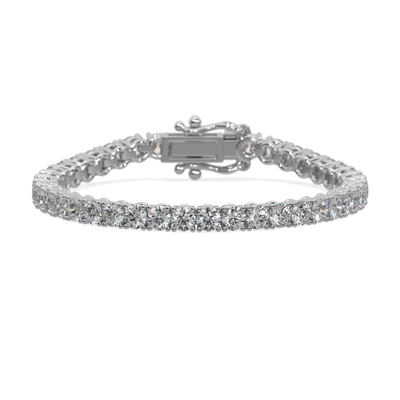
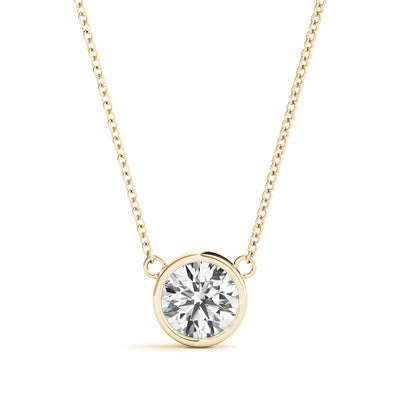
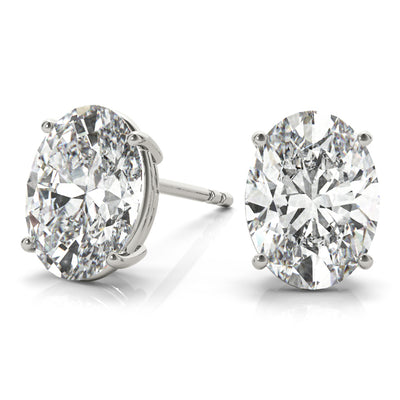
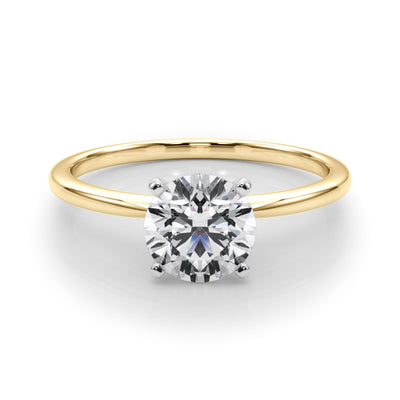
Diamond Color
Diamond Color
Understanding diamond color is essential when selecting a diamond. In the evaluation of gem-quality diamonds, the focus is on the absence of color. A diamond that is chemically pure, and structurally flawless, will exhibit no hue, similar to a drop of pure water, and is considered more valuable. The Gemological Institute of America (GIA), utilizes a color-grading system, ranging from D to Z, to assess the degree of colorlessness by comparing a diamond under controlled lighting, and precise viewing conditions, to master-stones with established color values.
While many color distinctions in diamonds are extremely subtle, and may go unnoticed by the untrained eye, these distinctions have a significant impact on diamond quality and pricing. Even though the differences may be imperceptible to some, they contribute to the overall value and desirability of the diamond.
What Is - Diamond Color?
Understanding diamond color is essential when selecting a diamond. In the evaluation of gem-quality diamonds, the focus is on the absence of color. A diamond that is chemically pure, and structurally flawless, will exhibit no hue, similar to a drop of pure water, and is considered more valuable. The Gemological Institute of America (GIA), utilizes a color-grading system, ranging from D to Z, to assess the degree of colorlessness by comparing a diamond under controlled lighting, and precise viewing conditions, to master-stones with established color values.
While many color distinctions in diamonds are extremely subtle, and may go unnoticed by the untrained eye, these distinctions have a significant impact on diamond quality and pricing. Even though the differences may be imperceptible to some, they contribute to the overall value and desirability of the diamond.
What Is - Diamond Color?
Diamond color refers to the presence or absence of color in a diamond. It is one of the 4Cs (Color, Clarity, Cut, Carat Weight) used to evaluate a diamond's quality. The color grade of a diamond is determined by comparing it to a standardized diamond color chart.
Higher-rated diamonds are closer to being colorless, and are considered more valuable. They exhibit little to no noticeable color and appear clear and brilliant. As the color grade decreases, diamonds may exhibit a faint to noticeable color tint. The color chart typically ranges from D (colorless) to Z (light yellow or brown).
It is important to note that it is rare to find a completely colorless diamond. Most diamonds have slight hues or colorations, caused by natural processes during their formation. Diamonds can occur in various colors, including gray, white, yellow, green, brown, and pink. Certain fancy colored diamonds, like canary diamonds, are highly sought after for their unique and vibrant colors.
The color of a diamond can significantly impact its value and appearance. The goal is to select a diamond with a color grade that meets your preferences and budget, while still achieving the desired brilliance and beauty.
Additional Info About Diamond Color
Additional factors to consider regarding diamond color are:
Absence of Color: The less color present in a diamond, the higher its value and grade. Colorless diamonds are highly sought after and receive higher grades on the diamond color scale.
Certified Grading Professionals: It is important to rely on certified grading professionals, such as those from reputable gemological laboratories, to accurately determine a diamond's color grade. Their expertise ensures an objective and standardized evaluation.
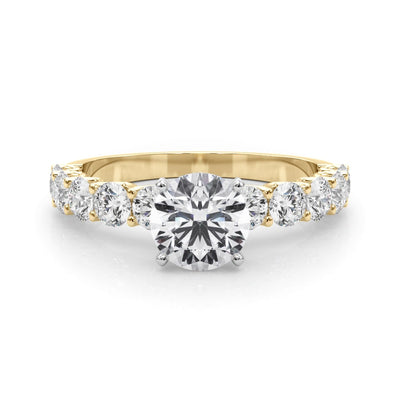
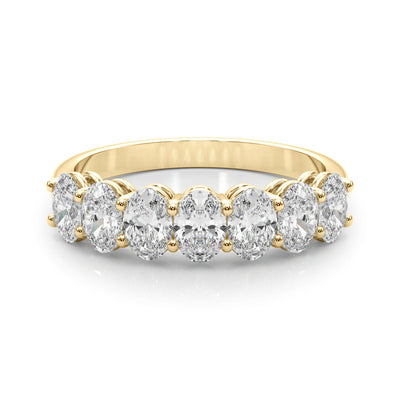
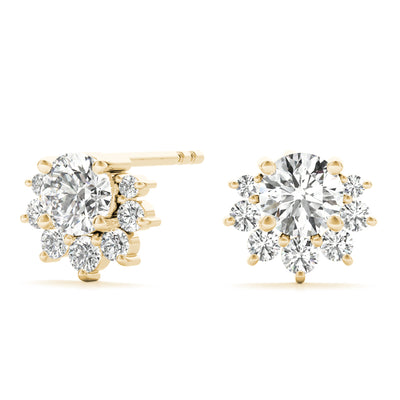
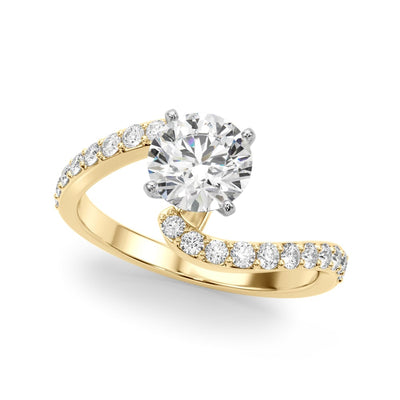
Setting Influence: The color of a diamond can be affected by the tone of the metal setting it is placed in. A diamond set in a white gold or platinum setting, may appear more colorless, while the same diamond set in yellow gold may exhibit a warmer tint due to the metal's reflection.
Understanding these additional aspects of diamond color, can help in making informed decisions when selecting a diamond. Consulting with a trusted jeweler or gemologist, can provide further guidance on choosing the right diamond color for your preferences and budget.
FIND YOUR DIAMOND
Diamond Color Is An Important Characteristic That Affects A Diamond’s Beauty
Diamond color is indeed a crucial characteristic that greatly influences a diamond's beauty. While it impacts the price of a diamond, determining the ideal color grade involves considering various factors to suit personal preferences and budget.
When assessing diamond color, it's essential to understand the color grading scale. The GIA (Gemological Institute of America) uses a scale ranging from D (colorless) to Z (light yellow or brown). Diamonds in the D to F range are considered colorless or near colorless and are highly valued for their pure, icy-white appearance. As you move down the scale, diamonds may exhibit increasing levels of yellow or brown tint, which can affect their visual appeal.
However, it's important to note that the impact of color on a diamond's beauty can be subjective, and dependent on individual preferences. Some people prefer the warmth and character of diamonds with slight color, while others prefer the pristine whiteness of colorless diamonds.
Other factors to consider include the diamond's shape, and the metal color of the setting. Certain diamond shapes can hide, or minimize, the appearance of color more effectively than others. Additionally, the choice of setting metal, such as white gold or platinum, can enhance the colorlessness of a diamond.
Ultimately, when selecting a diamond, it's crucial to strike a balance between color, cut, clarity, and carat weight based on personal preferences and budget constraints. Consulting with a reputable jeweler or gemologist, can provide valuable guidance in choosing the right diamond color grade, to achieve the desired balance and overall beauty.
The GIA White Diamonds Color-Grade Scale Is The Industry Standard
The GIA diamond color scale, ranging from D to Z, is the industry standard for grading diamond colors. When purchasing a diamond, understanding the GIA color scale can help consumers make informed decisions, based on their preferences and desired color range. The D-to-Z scale provides a reliable and widely recognized framework, for evaluating the color quality of diamonds.

WHY DOES THE GIA COLOR GRADING SYSTEM START AT D?
Prior to the GIA's introduction, various grading systems with different letters, numbers, or terms were used to assess diamond color. The GIA recognized the need for standardization, and sought to create a fresh and simplified scale that would eliminate confusion, and provide a clear reference point for grading.
The GIA's decision to start at D and establish a standardized diamond color scale, has been widely accepted and adopted throughout the diamond industry. It allows for consistent communication and comparison of diamond color, across different markets and regions.
By starting at D, the GIA created a baseline for the absence of color in diamonds. This means that D-grade diamonds are considered colorless, exhibiting the highest level of purity in terms of color. As the scale progresses towards Z, diamonds gradually exhibit increasing levels of color, ranging from light yellow to light brown.
ARE DIAMONDS GRADED AS Zs CONSIDERED FANCY-COLOR?
Diamonds graded as Z on the GIA color scale, are not considered fancy-color diamonds. The term "fancy-color", is typically used to describe diamonds that exhibit colors outside the normal color range of traditional white diamonds.
Fancy-color diamonds can come in a variety of hues, including shades of yellow, brown, blue, green, pink, and many more. These diamonds possess more intense, and vibrant colors, than what would be classified as a Z master stone. Fancy-color diamonds can be highly sought after, for their unique and rare color characteristics.
It's important to note that the Federal Trade Commission (FTC) in the United States, does not provide specific guidelines for the use of the term "fancy-color." However, there is a general consensus in the international diamond trade, about which color ranges are considered customary for fancy-color diamonds. These ranges typically include diamonds that are more saturated in color than a Z-grade diamond, or exhibit colors other than yellow or brown.
When referring to diamonds graded as Z on the GIA color scale, it is more accurate to describe them as having a light yellow or light brown color, rather than classifying them as fancy-color diamonds.
Which Diamond Color Is Best?
The best diamond color is subjective, and ultimately depends on your personal preferences, budget, and desired aesthetic. When it comes to color grading, each grade on the GIA color scale has its own unique beauty and appeal.
If you prioritize having a colorless diamond, and have the budget for it, you may opt for a higher color grade such as D or E, which are considered the top color grades. These diamonds are highly sought after, for their exceptional whiteness and lack of noticeable color. They can create a stunning, bright appearance.
However, it's important to note that diamonds in the near colorless range, such as G, H, and I, still appear white to the naked eye, and can offer excellent value for money. These diamonds may have a slight hint of color, but it is often not easily discernible, especially when set in a piece of jewelry. Choosing a near colorless grade can allow you to allocate more of your budget towards other factors such as cut, clarity, or carat weight.
Ultimately, the best diamond color is a personal choice, that should be based on your individual preferences, budget, and the overall look you desire.
Setting Also Impacts Color Appearance In A Diamond
The choice of metal for the setting can influence the perceived color of a diamond. Different precious metals can enhance, or complement the color grade of a diamond in various ways.
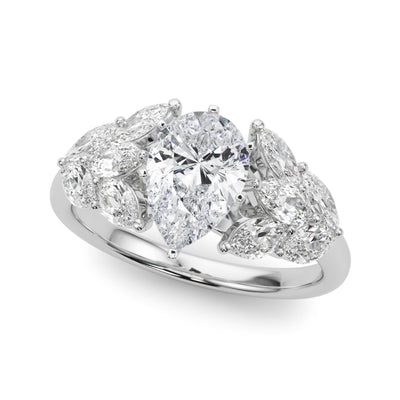
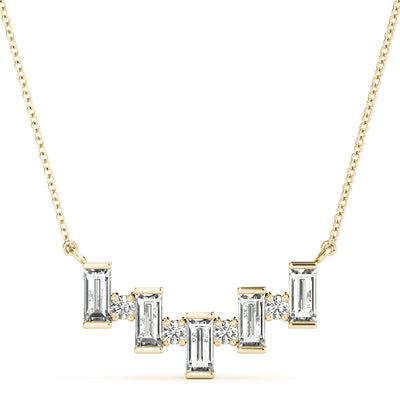
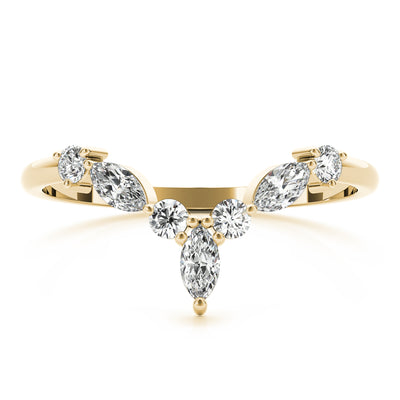
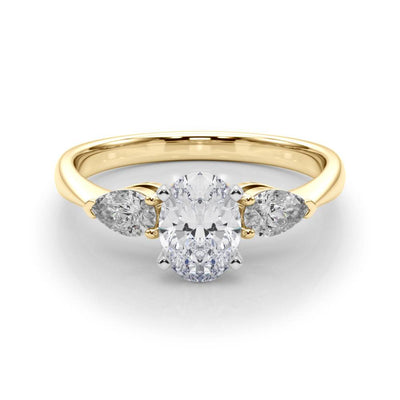
Yellow gold settings can create a warm and rich appearance, which can be particularly flattering for diamonds with faint color grades, as the slight yellow tint can blend harmoniously with the metal. This combination can create a cohesive and classic look.
On the other hand, platinum or white gold settings can create a cooler and more contemporary aesthetic. These metals can enhance the appearance of near-colorless diamonds, by providing a contrasting backdrop that makes the diamond appear whiter and brighter. This combination can create a fresh and modern look.
It's important to note that the impact of the metal on diamond color appearance, can be subtle and may vary depending on the specific diamond and setting. Additionally, personal preferences play a significant role in choosing the metal color for a diamond setting. It's recommended to try different metal options, and observe how they interact with the diamond, to determine which combination appeals to you the most.
Ultimately, when selecting the metal for your diamond setting, it's essential to consider your personal style, the desired aesthetic, and how it complements the color grade of the diamond, to create a harmonious and visually pleasing overall look.
Shape Can Influence Diamond Color
The shape of a diamond can have an impact on how color is perceived. Fancy-shaped diamonds, such as cushion, princess, and radiant cuts, can often mask color more effectively, compared to round-cut diamonds. This is because these shapes have more facets, and unique facet arrangements, which can help disperse and reflect light, in a way that minimizes the visibility of color.
The multifaceted sparkle and brilliance of these fancy-shaped diamonds, can create a captivating visual effect that draws attention away from any subtle color tones. As a result, diamonds with lower color grades can still appear bright and vibrant, offering a cost-saving advantage compared to round-cut diamonds.
It's important to note that the degree to which a diamond shape masks color can vary, and individual preferences for diamond shape can differ as well. Some individuals may prefer the classic beauty of a round-cut diamond, while others may appreciate the unique allure of fancy-shaped diamonds.
When selecting a diamond, it's essential to consider your personal preferences, budget, and the specific characteristics of the diamond, including its shape and color grade.
The Difference Between White Diamonds And Fancy Colored Diamonds
Diamonds occur in a wide range of colors. These are known as fancy-colored diamonds. Unlike white diamonds, fancy-colored diamonds are graded on a separate color scale, that assesses the intensity and hue of their color.
Fancy-colored diamonds come in a variety of colors, including yellow, pink, blue, green, red, and more. The rarity of these colors and their intensity, contribute to their value. The more vivid and saturated the color, the more valuable the fancy-colored diamond becomes.
Fancy-colored diamonds are also graded based on criterias such as hue, tone, and saturation, and they are evaluated by gemological laboratories using specialized grading systems. The rarity and uniqueness of fancy-colored diamonds make them highly sought after by collectors, and connoisseurs of colored gemstones.
The value and desirability of fancy-colored diamonds, can differ based on individual preferences and market demand. While white diamonds are traditionally favored for their classic beauty and brilliance, fancy-colored diamonds offer a distinctive and vibrant alternative, for those seeking a unique and eye-catching gemstone.
The diamond color scale is a standardized grading system used to assess the color of diamonds. The most widely recognized and used diamond color scale is the one established by the Gemological Institute of America (GIA), which is considered the industry standard.
The GIA diamond color scale ranges from D (colorless) to Z (light yellow or brown). The scale is based on the absence of color, with D being the highest and most colorless grade, and Z representing diamonds with noticeable yellow or brown tint.
Diamond Color Scale FAQs
What is the diamond color scale?
The diamond color scale is a standardized grading system used to assess the color of diamonds. The most widely recognized and used diamond color scale is the one established by the Gemological Institute of America (GIA), which is considered the industry standard.
The GIA diamond color scale ranges from D (colorless) to Z (light yellow or brown). The scale is based on the absence of color, with D being the highest and most colorless grade, and Z representing diamonds with noticeable yellow or brown tint.
The GIA color scale consists of the following categories:
D, E, F: Colorless
G, H, I, J: Near Colorless
K, L, M: Faint Yellow or Brown
N, O, P, Q, R: Very Light Yellow or Brown
S, T, U, V, W, X, Y, Z: Light Yellow or Brown
What is the best color letter for a diamond?
The best color grade for a diamond, ultimately depends on personal preferences and budget. While a D color diamond is considered the highest grade, and is completely colorless, it also tends to be more expensive. However, diamonds in the near colorless range (grades G to J), are also highly desirable and offer a great balance between colorlessness and value.
The choice of diamond color is subjective, and can be influenced by factors such as the diamond's size, shape, and the setting it will be placed in. Some individuals prefer the bright white appearance of colorless diamonds, while others may appreciate a slight hint of color in a diamond, as it can add warmth and character to the stone.
What causes color in diamonds?
The presence of certain trace elements and impurities in a diamond's chemical composition, can cause color to appear in the stone. Here are some common causes of color in diamonds:
Nitrogen: The most common cause of color in diamonds is the presence of nitrogen. Nitrogen atoms can absorb blue light, causing the diamond to exhibit a yellow or brownish hue. The intensity of the color depends on the amount of nitrogen present.
Boron: Diamonds with a blue color are often caused by the presence of boron. Boron atoms can absorb yellow light, resulting in a blue coloration.
Hydrogen: In some cases, hydrogen atoms can be incorporated into the diamond's crystal structure, causing a violet or gray color.
Structural Defects: Certain structural defects in the diamond's lattice, can also influence its color. These defects can alter the way light is absorbed and reflected, leading to various colors such as green or pink.
Which diamond shapes hide color the best?
Certain diamond shapes with a high number of facets, can help to mask or minimize the appearance of color in a diamond. The additional facets in these shapes, disperse and reflect more light, which can help to enhance the diamond's overall brilliance, and minimize the visibility of any color.
Diamond shapes such as radiant, cushion, and princess cuts are known for their multifaceted sparkle, and ability to hide color. The way these shapes are cut and faceted, can help to camouflage any hints of color within the diamond, making them popular choices for those who prefer a whiter or more colorless appearance.
Even with these shapes, the color of the diamond will still play a role in its overall appearance. However, the way the diamond is cut and the arrangement of facets, can help to mitigate the impact of color and create a visually stunning stone.
Will the setting impact a diamond’s color appearance?
Yes, the choice of metal for a diamond setting, can indeed impact the appearance of a diamond's color. Different metal colors can complement or enhance the color of the diamond or create a contrasting effect. Here are a few considerations:
Yellow Gold: Yellow gold settings can complement warmer-colored diamonds in the I-K range. The warm hue of the metal can harmonize with the slight color in the diamond, creating a cohesive and pleasing look.
Rose Gold: Rose gold settings can add a romantic and vintage touch to a diamond ring. They can work well with both colorless, and slightly colored diamonds, as the warm tones of the metal can enhance the overall appearance.
Platinum and White Gold: Platinum and white gold settings can create a cool and contemporary look. They are often chosen to enhance the brilliance and whiteness of colorless or near-colorless diamonds, allowing the diamond to stand out prominently.
While the metal setting can influence the perception of diamond color, it cannot change the actual color of the diamond. The metal serves as a backdrop and can create visual effects that either enhance or downplay the diamond's color.
Do the other Cs impact color?
Yes. Here's how the other Cs can impact diamond color:
Carat Weight: The carat weight of a diamond refers to its size. Larger diamonds may exhibit more color than smaller diamonds, due to the increased volume of the stone. However, the impact of carat weight on color perception, can vary depending on the individual diamond and its cut.
Clarity: Diamond clarity refers to the presence or absence of internal or external flaws, known as inclusions and blemishes, respectively. Inclusions and blemishes can sometimes affect the way light interacts with the diamond, which in turn can influence color perception. However, the impact of clarity on color is generally less significant compared to other factors.
Cut: Diamond cut has a significant impact on a diamond's overall sparkle and brilliance. A well-cut diamond can reflect and refract light more effectively, enhancing its fire and brilliance. This can help to mask any coloration, and make the diamond appear more dazzling.
Cut: Is the most important factor in terms of maximizing a diamond's sparkle, it's important to consider all of the 4Cs in combination to find the right balance, and achieve the desired overall appearance for your diamond. Each of the 4Cs works together to determine a diamond's overall beauty and value.
NEXT: DIAMOND CLARITY >